Key Highlights
- The NFL’s decision to have Bad Bunny perform at the Super Bowl in Spanish has sparked controversy among conservatives.
- This reaction reflects a longstanding tradition of skepticism towards Latin artists and their cultural contributions in American mainstream media.
- Conservative figures and government officials have called for boycotts, threatened deportation, and other forms of resistance against Bad Bunny’s performance.
- The incident highlights the intersection of politics, culture, and identity in the context of the current administration’s stance on immigration and language.
Bad Bunny’s Super Bowl Performance: A Historic Milestone
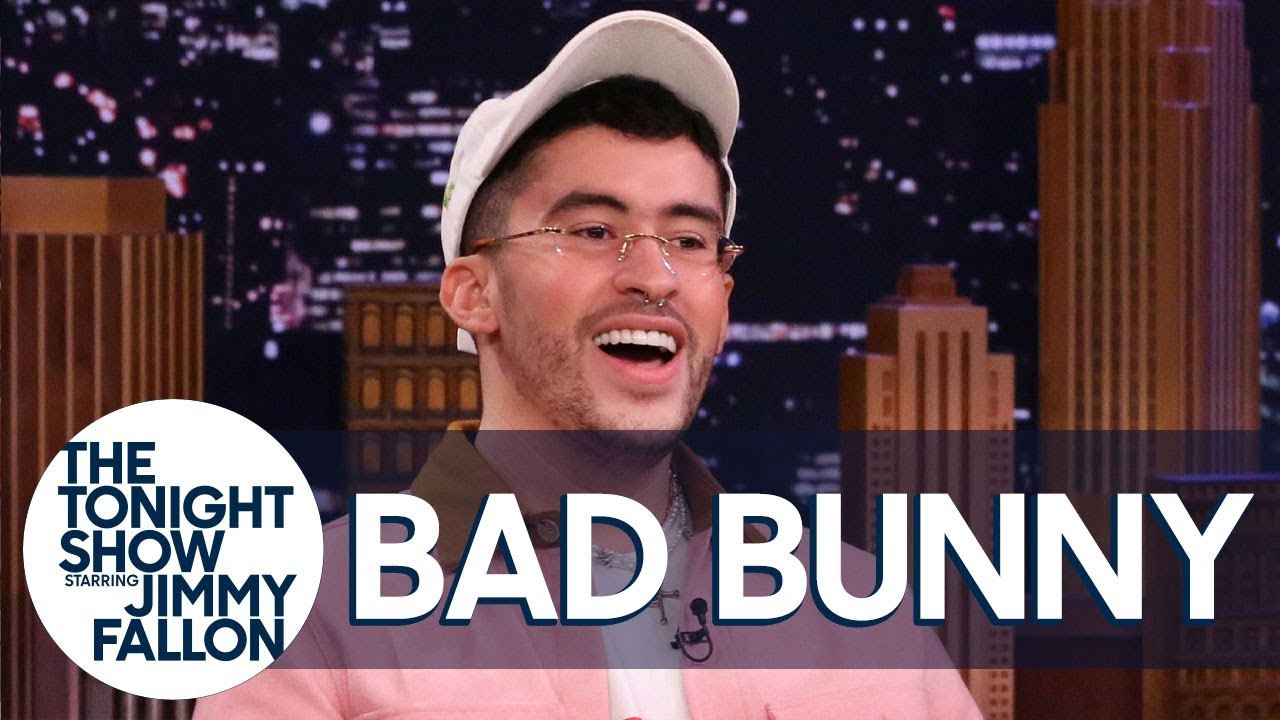
Bad Bunny, the Puerto Rican rapper and singer, will perform at the 2026 Super Bowl halftime show, marking the first time in history that a Spanish-language performance will headline the event. This decision by the NFL, Roc Nation, and Apple Music has reignited long-standing debates about cultural representation and language in mainstream American media.
Bad Bunny’s success is not limited to his music; he has also been an advocate for various social issues, such as immigration rights and economic challenges faced by Puerto Ricans. His performance at the Super Bowl is seen as a significant moment of self-expression and political statement for millions of Latinx Americans who make up 20 percent of the U.S. population.
A Tradition of Controversy: Latin Artists in American Mainstream Media
The controversy surrounding Bad Bunny’s performance is part of a broader historical narrative of skepticism towards Latin artists and their cultural contributions. This tradition can be traced back to events such as José Feliciano’s 1968 rendition of “The Star-Spangled Banner,” which faced intense backlash from some Americans who viewed it as a protest or an affront.
Despite the historical context, Bad Bunny’s performance has not been without opposition. Conservative groups and politicians have called for boycotts, suggesting that his music is un-American and that he should be deported despite being an American citizen. The incident underscores the intersection of politics and culture in the current administration’s policies towards immigration and language.
The Impact on Latinx Representation
Bad Bunny’s performance at the Super Bowl represents a significant step forward for Latinx representation in mainstream media. His success highlights the growing influence of Latin music and artists, which generated over $1 billion in revenue according to industry reports. This milestone is particularly meaningful given that some conservative voices continue to marginalize or question the validity of Latin culture and its contributions.
Bad Bunny’s performance also serves as a reminder of the importance of cultural representation and the need for greater inclusivity in mainstream American media.
As he steps under the spotlight, his actions will be scrutinized by those who have historically doubted the authenticity and value of Latin artists. However, this moment will speak to his roots, lineage, and the history of Latin artists who have helped bring him here.
Conclusion
A Moment of Self-Expression
No matter what happens during Bad Bunny’s performance at the Super Bowl, it will be a historic milestone for both the artist and millions of Latinx Americans. The inherent act of performing in Spanish under such a significant platform is a powerful political statement that speaks to his identity and cultural heritage.
While the reaction from certain quarters may be ugly and unfounded, Bad Bunny’s performance at the Super Bowl represents a moment of self-expression— one that is deeply American. As we move forward, it is crucial to recognize and support the contributions of Latin artists like Bad Bunny in shaping the cultural landscape of our country.