Key Highlights
- Apple’s F1 broadcast deal was years in the making, dating back to 2016.
- Eddy Cue, senior vice president of services at Apple, is a long-time board member and lifelong fan of Ferrari.
- Bernie Ecclestone revealed that Apple representatives were given VIP treatment during an F1 race nine years ago.
- The deal was seen as a logical follow-on from the success of Apple’s F1 movie starring Brad Pitt.
Background and Timeline
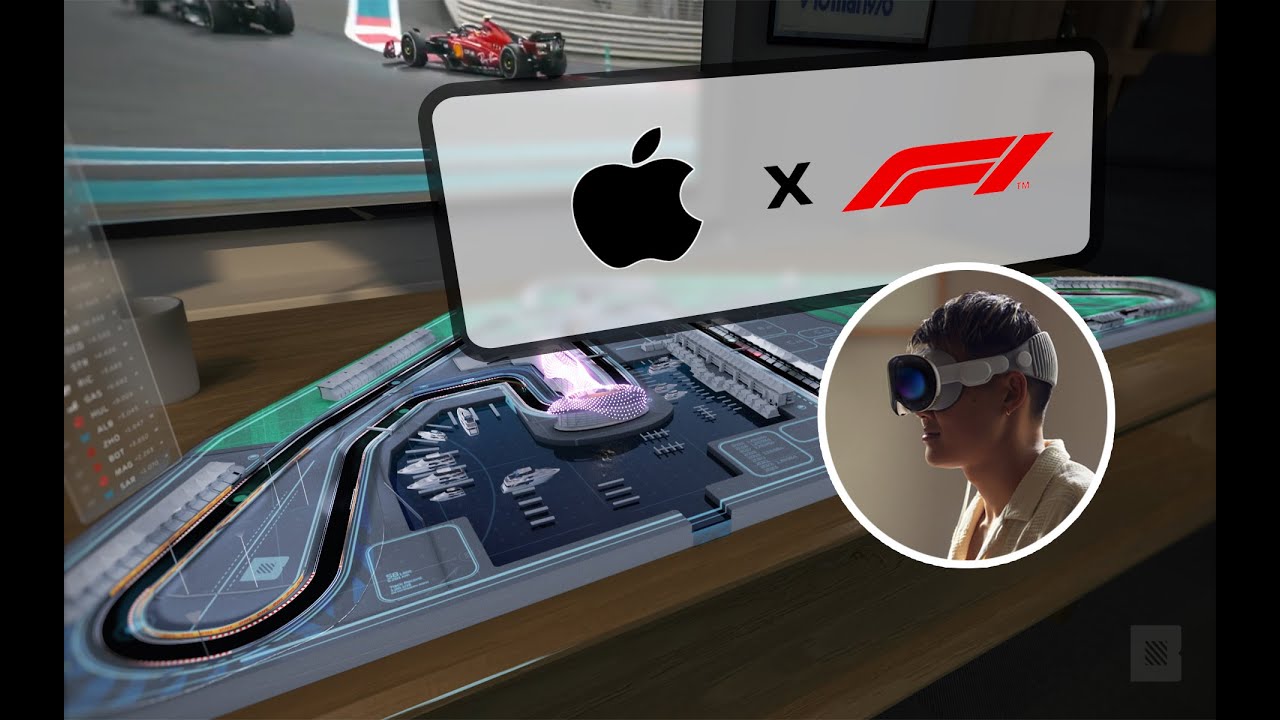
The journey to Apple Inc.’s five-year broadcasting rights deal for Formula One (F1) in the United States began years before its official announcement. According to Eddy Cue, senior vice president of services at Apple, the company’s interest in F1 dates back almost a decade. This timeline is supported by Tommy Baker, who had an early meeting with Cue and Bernie Ecclestone in August 2016.
During this initial meeting, Baker discussed a proposed 12-part ‘From The Grid’ show, which was seen as a potential extension of the highly successful Netflix series “Drive to Survive.” This early collaboration hinted at Apple’s long-standing interest in F1 and its desire to build on the sport’s growing popularity.
Key Players and Their Roles
Eddy Cue’s involvement with Ferrari is significant. He has been a board member of the Italian automaker since 2016, where he worked closely with Stefano Domenicali, now chief executive of Liberty Media-owned Formula One. According to Cue, his personal familiarity with F1 and his working relationship with key F1 executives provided a strong foundation for the eventual deal.
Bernie Ecclestone’s recollection also adds context.
In 2016, at the Mexico Grand Prix, Apple representatives toured the event for production purposes. By October of that year, Apple was planning to film a pilot in Abu Dhabi and air it as part of their streaming strategy. However, this ambitious plan did not come to fruition when Ecclestone was replaced by Chase Carey later that month.
Industry Context and Future Implications
The announcement of the deal marks a significant shift in F1’s broadcasting landscape, replacing Walt Disney’s ESPN as the primary broadcaster for U.S. audiences. This move aligns with Apple’s broader strategy to expand its presence in the entertainment industry through streaming services like Apple TV+.
Industry analysts suggest that this deal could have far-reaching implications for both Apple and F1. For Apple, it represents a major step into live sports broadcasting, which is often seen as a lucrative market.
For F1, this partnership could enhance its global appeal, especially among younger audiences who are more likely to consume content through streaming services.
Tommy Baker’s account provides insight into the early stages of this relationship, highlighting the strategic nature of Apple’s approach and its willingness to invest in long-term projects that align with their brand image. As F1 continues to evolve, such collaborations could set a precedent for other tech companies looking to engage with major sports events.