Key Highlights
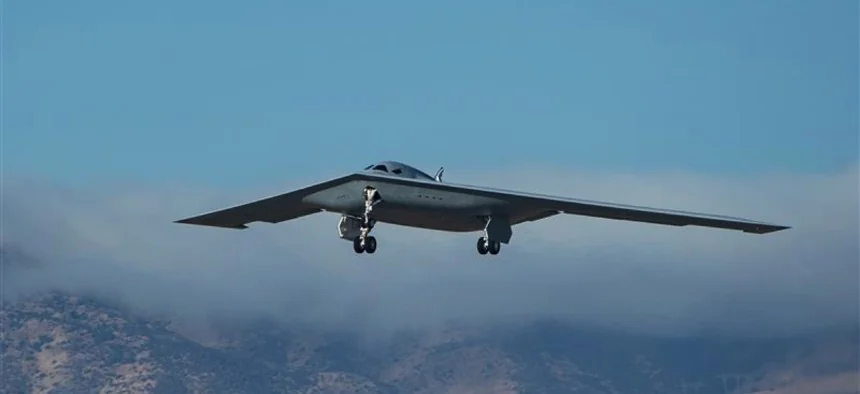
- A second B-21 Raider bomber completes aerial-refueling test flights over California.
- Recent progress in the program suggests key milestones may be hit sooner than anticipated.
- The KC-135 tanker, built in the 1950s, faces challenges supporting next-generation aircraft like the B-21.
- Air Force plans to deliver the first B-21 Raider by 2027, despite ongoing war in Iran and aging bomber fleet.
Second B-21 Raider Completes Aerial Refueling Tests
The Air Force recently confirmed that a second B-21 Raider is completing key refueling-related tests over California. This milestone follows a top commander’s warning about the challenges of aging tankers supporting new stealth bombers. On Tuesday, open-source intelligence accounts and plane spotters documented the Raider approaching a KC-135 tanker from Edwards Air Force Base’s 370th Flight Test Squadron. These sightings are significant as they represent critical steps in validating the B-21’s operational capabilities.
Program Progress and Delays
The development of the B-21 Raider has been a long journey, with initial plans to deliver the first bomber by 2027. However, some defense experts suggest that recent progress might mean key milestones will be hit sooner than anticipated. Mark Gunzinger, director of future concepts and capability assessments at the Mitchell Institute, commented, “It’s a great sign that what we’ve been hearing now for a few years is the program is on track and on time, maybe even ahead of schedule.” This sentiment echoes concerns raised by Lt.
Gen. Reba Sonkiss, who highlighted the need to discuss future replacements for aging tankers like the KC-135.
Challenges with Aging Tanker Fleet
The KC-135 tanker, first introduced in the late 1950s, is facing significant challenges. Sonkiss emphasized that the Air Force cannot have a 90-year-old tanker refueling a B-21, given the need for secure communications and other critical upgrades to stay relevant against future adversaries. Gunzinger agreed, stating, “The Air Force’s Global Strike Forces were designed to operate together back in the 50s and 60s. My point is KC-135 was never designed to be part of a secure communications network of the kind that you would want to operate in a conflict with China.” These statements underscore the urgency for modernizing both the bombers and their supporting refueling assets.
Implications for Future Air Force Operations
The accelerated development and testing of the B-21 Raider come at a time when the U.S. Air Force is actively engaged in operations against Iran, with its current bomber fleet still being used to target Iranian missile sites and other military infrastructure. This context highlights the importance of having a next-generation stealth bomber that can operate more effectively than existing aircraft.
While the B-21 Raider’s delivery schedule remains on track for 2027, the challenges faced by its supporting tanker fleet cannot be ignored.
The Air Force must balance modernization efforts with operational realities to ensure continued effectiveness in future conflicts. As the program progresses, these issues will continue to shape the development and deployment of next-generation airpower.