Key Highlights
- Amazon’s game business has crumbled, with major titles like Breakaway, Crucible, and New World being discontinued.
- The company’s ambition to compete with Steam through sheer size was ultimately unsuccessful.
- Ethan Evans, former VP of Prime Gaming, admits the failure came from hubris and a lack of validation of core assumptions.
- Amazon is shifting focus away from major game development towards its Luna cloud gaming platform.
The Collapse of Amazon Games: A Decade-Long Journey into Failure
In a stunning turn of events, the once-promising venture of Amazon’s game division has crumbled to dust. Just last year, on September 30, 2016, at TwitchCon, Amazon unveiled Breakaway, Crucible, and New World, signaling its grand ambition in the world of big-budget game development. However, by October 29, 2025, the company has been forced to confront the harsh reality of its misadventure.
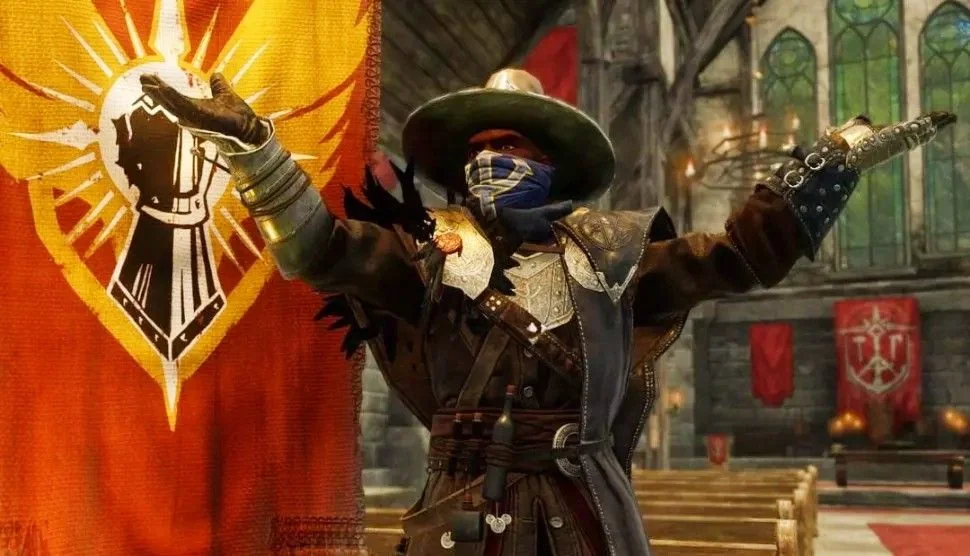
The demise of these projects began with the cancellation of Breakaway in 2018, followed by Crucible’s abrupt end just a month after going live. The final nail was driven into the coffin of New World, which, despite showing promise as one of Amazon’s few successes, is now being terminated.
Hubris and Missteps
Ethan Evans, former Vice President of Prime Gaming, offered insight on what went wrong in a LinkedIn post. He stated that Amazon assumed its size and visibility would be enough to attract customers, underestimating the power of existing user habits. “We were at least 250x bigger than Steam,” Evans wrote, “but we never cracked the code.” Despite this vast disparity in scale, the company failed to deliver a product that resonated with gamers.
“The 15+ year-long attempt to challenge Steam started before I was VP of Prime Gaming, but we never cracked the code,” Evans admitted. “Not under my leadership or anyone else’s.” This admission underscores the systemic issues within Amazon’s approach to game development and market strategy.
Shifting Focus
Apart from the failure of these games, Amazon has also announced major layoffs at its game studio. The company is now pivoting towards its Luna cloud gaming platform, a move that reflects a broader shift in focus away from traditional AAA game development. In February 2025, Evans wrote on LinkedIn: “We have made the difficult decision to halt a significant amount of our first-party AAA game development.” This drastic change signals Amazon’s recognition that its initial approach was flawed.
While Amazon is not giving up entirely on games, it is refocusing its efforts.
The company now emphasizes AI-powered projects like an Snoop Dogg judge game, which, according to Evans, is intended to draw attention away from Luna’s struggles. However, this shift may not be enough to salvage the company’s gaming ambitions.
The Industry Context
The failure of Amazon Games reflects a broader challenge facing major tech companies in the gaming space. While giants like Valve and its Steam platform have maintained dominance for years, new entrants often struggle due to entrenched user habits and established market structures. The lesson here is clear: size alone does not guarantee success in the competitive world of video games.
The industry context also highlights the importance of validating core assumptions before investing heavily in solutions. Amazon’s missteps serve as a cautionary tale for other tech companies looking to disrupt well-established markets through sheer scale and visibility.
Conclusion
The collapse of Amazon Games serves as a stark reminder that even giants can falter when they underestimate the power of user habits and fail to validate their assumptions. As the company shifts its focus, it remains to be seen whether Luna will succeed where its game development efforts failed. For now, the industry waits with bated breath to see what comes next from Amazon in the gaming space.