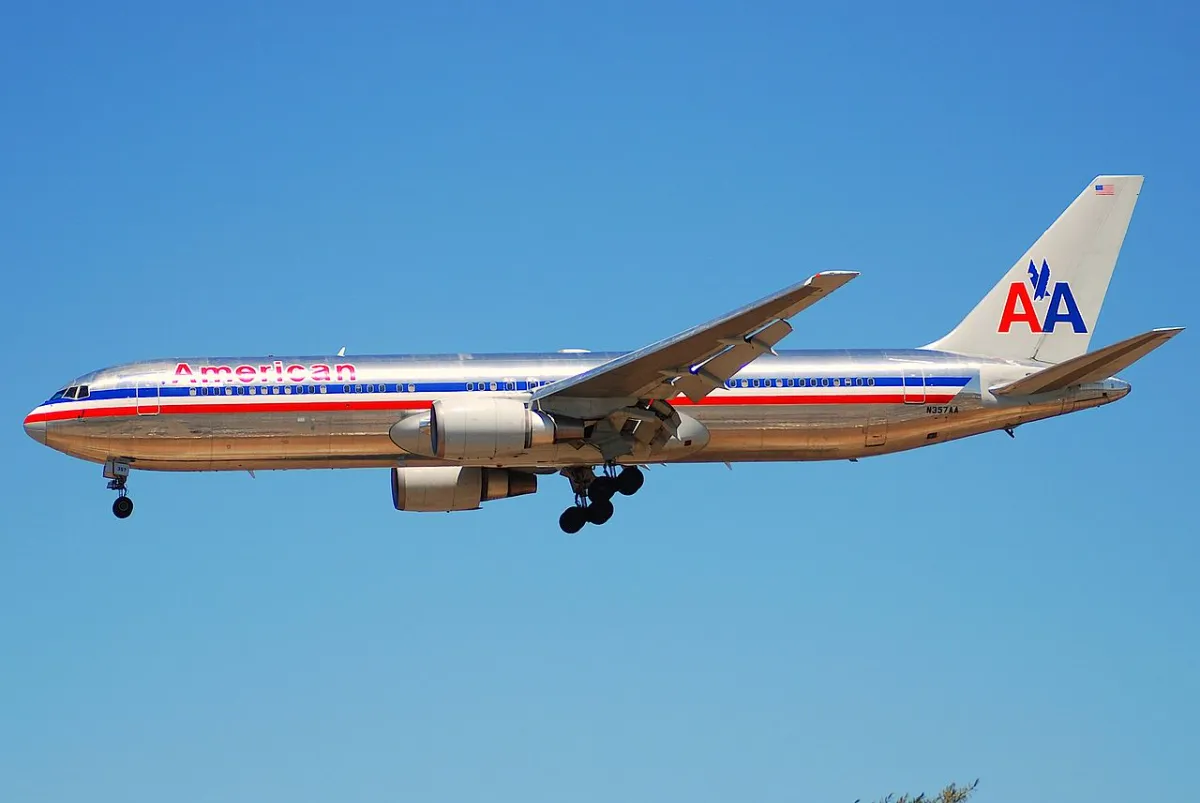
American Airlines Permanently Cancels Select Flights—Here’s How to Get Your Refund (2025)
What “Permanent Cancellation” Really Means for Your Wallet
Hearing that American Airlines cancels flights permanently sounds dramatic—but for travelers, it boils down to two things: your itinerary will no longer operate, and you’re typically entitled to a refund for the unused portion of your trip. This isn’t the same as a weather delay or a one-off schedule change. A permanent cancellation usually means a route is removed from the schedule or a flight number is retired with no near-term return.
In this guide, we’ll keep the language simple and the steps actionable. You’ll learn:
- What a permanent cancellation means in practice
- Cash refund vs. flight credit—which is better and why
- How to file and escalate a refund request
- Using credit card protections, chargebacks, and travel insurance
- What happens to AAdvantage miles, eVouchers, and status
- Tips for families, business travelers, and OTA bookings
Our goal is to help you protect your money, avoid low-value vouchers, and make Discover-friendly decisions that show up when people search for “airline refund,” “travel insurance,” “chargeback,” and related high-CPM finance keywords.
What Counts as a “Permanent” Cancellation?
Airlines sometimes cut routes due to:
- Demand and profitability changes (fewer passengers, higher costs)
- Fleet changes (retiring aircraft or reassigning planes)
- Operational constraints (pilot availability, maintenance, or airport slot limits)
- Network strategy (shifting capacity to higher-yield markets)
When a flight is permanently canceled, you cannot be rebooked on the same exact flight later—because it won’t exist. You’ll typically be offered:
- A different flight on American, often with a connection
- A partner flight (subject to availability)
- A refund (cash back to your original payment method)
- A credit/eVoucher (which has rules and expiry dates)
The smartest financial move is often a cash refund, not a credit—especially if prices are volatile or your plans are flexible.
Your Refund Rights in Plain English
When the airline cancels your flight, you’re generally eligible for a refund of the unused portion of your ticket—even if the fare was “non-refundable.” This usually includes:
- Base fare and taxes/fees
- Paid seat assignments and baggage fees tied to the canceled segment
- Change fees (if any were charged previously and the trip never occurred)
Important: If you voluntarily accept a rebooking or voucher, you may waive your right to a cash refund. Always ask for the cash refund first, and only consider credits if they genuinely fit your travel plans.
Cash Refund vs. Travel Credit: Which One Wins?
Cash Refund (Recommended in most cases)
- Pros: Real money back to your card or bank; no expiry; no blackout dates
- Cons: Processing may take time; you’ll need to buy a new ticket if you still plan to travel
Travel Credit / eVoucher
- Pros: Quick to receive; sometimes comes with a small bonus during promos
- Cons: Expiry dates, restrictions, possible fare differences, limited transferability, and you still pay if prices go up
Smart move: If you still plan to fly soon and prices are stable, a credit can be fine. Otherwise, cash protects your options.
Step-by-Step: How to Claim Your Refund from American
- Locate Your Ticket Info
- Have your record locator, ticket number (starts with 001 for American-issued tickets), and purchase method (credit card, points, OTA, corporate portal).
- Start with the Official Channel
- Use your American Airlines account or the Manage Trips page to view the canceled booking.
- Select “Refund” or “Request a refund” (wording varies).
- If partnered or code-shared, confirm who issued the ticket (AA vs. OTA).
- Specify “Airline-Canceled Flight”
- When prompted, clearly state the reason: “Flight canceled by airline” and “route permanently discontinued” if applicable.
- Request cash refund to original form of payment. Avoid defaulting to a voucher.
- Attach Proof
- Keep the cancellation email, updated itinerary, and any screenshots showing the route is off the schedule.
- Monitor the Timeline
- Track refund status. If nothing moves after a reasonable window, escalate.
- Escalate If Needed
- Call American customer support with your ticket number.
- If the ticket was bought via an OTA, they must usually process the refund—contact them directly.
- Document every interaction (dates, names, case numbers).
- Use Backup Tools
- Credit card chargeback: If the airline doesn’t process a valid refund, dispute with your bank (say “service not provided”).
- Travel insurance: If you kept your trip dates and rebooked with a higher fare, your policy may cover trip interruption differentials (varies by policy).
- Small claims / consumer escalation: As a last resort, formal complaints and small claims actions can create leverage.
Don’t Forget Your Extras: Seats, Bags, Upgrades & More
When flights are permanently canceled, you should also seek refunds for:
- Paid seat selection (including Main Cabin Extra, Preferred, exit row)
- Prepaid baggage and sports equipment fees
- Priority boarding or same-day change fees not used
- Upgrade copays and milage co-pays on the canceled segment
If you used AAdvantage miles for the ticket, you should get:
- Miles redeposited to your account
- Taxes/fees refunded to original payment method
- Award redeposit fees are typically not charged when the airline cancels
If American Offers Rebooking: How to Evaluate the Deal
Sometimes American will propose a new itinerary (often with connections). Consider:
- Total travel time vs. your original plan
- Connection quality (risk of misconnects, tight layovers)
- Aircraft type & onboard Wi-Fi (important for working travelers)
- Schedule changes that could affect hotel nights or car rentals
If the new itinerary doesn’t work for you, say so and reiterate your request for a cash refund. You’re not obligated to accept a materially worse option.
Credit Card Protections & Chargebacks: Your Financial Safety Net
Many travel credit cards offer:
- Trip cancellation/interruption coverage
- Trip delay coverage (hotels/meals if your rebooked flight is delayed)
- Baggage coverage (delays/loss)
- Extended warranty-type purchase protections (less relevant, but good to know)
If the airline stalls on a valid refund:
- File a chargeback with your card issuer and provide documentation (itinerary, cancellation notice, refund request logs).
- Use precise language: “merchant canceled service, refund not provided.”
- Keep all correspondence and case numbers.
Travel Insurance: When It Helps—and When It Doesn’t
If you rebook on another airline and pay more, your travel insurance (if purchased) may help offset certain trip interruption costs. Check:
- Covered reasons (airline cancellations often qualify)
- Documentation requirements
- Time limits for filing
- Per-claim caps and deductibles
Tip: Annual travel insurance policies can be cost-effective for frequent flyers and often include medical evacuation—a value add for long-haul trips.
Booked Through an OTA or Package? Do This.
If you purchased from an online travel agency (OTA) or as part of a vacation package:
- The ticketing entity (often the OTA) usually handles refunds.
- Start your refund request with the OTA, not the airline.
- If they send you to the airline, ask for the ticket issuer code to verify responsibility.
- Keep written records—OTAs can have slower pipelines for refunds to return to your card.
Families & Group Bookings: Extra Pointers
- Keep the PNRs together if possible when rebooking (airlines sometimes split records).
- If seating together was important, don’t accept a worse layout—ask for a refund instead.
- For school trips, weddings, or events, request waivers or fare protection if you’re forced into higher fares on competitors.
AAdvantage Status, Miles & eVouchers: What to Expect
- Miles used for an award should redeposit when the airline cancels.
- Elite status benefits (upgrades, same-day changes) don’t convert to cash; they simply don’t apply if the trip is canceled.
- eVouchers from previous disruptions are generally reissued if tied to the canceled ticket—but check expiry and transfer rules before accepting.
Big-Picture Money Tips (High-CPM Finance Focus)
- Always request cash first. Credits lock you to brand rules, expiry, and fare changes.
- Leverage premium credit cards for trip interruption and chargeback power.
- Document everything—it strengthens disputes and speeds outcomes.
- Consider competitor fares: if American exits a route, price dynamics can shift fast—watch for fare spikes or promotional matches from rivals.
- Time value of money: cash refunds keep your funds liquid for investments, emergency savings, or re-booking flexibility.
FAQs
1) Am I guaranteed a refund if American cancels my flight permanently?
If the airline cancels your flight and you choose not to travel on an alternative, you’re generally entitled to a refund for the unused portion of your ticket and eligible extras.
2) How long do refunds take?
Processing times vary. If it drags beyond a reasonable period, escalate through support, then consider a chargeback with your card issuer.
3) I accepted a credit—can I switch to a cash refund later?
Once you accept a voucher or credit, switching can be difficult. Ask for cash first before agreeing to any credit.
4) Do I get my seat fees and bag fees back?
Yes, ancillary fees tied to the canceled flight are typically refundable when you don’t take an offered alternative.
5) What about award tickets booked with miles?
Your miles should be redeposited, and you should receive taxes/fees back to your payment method.
6) Can I be rebooked on a partner airline?
Sometimes yes, depending on inventory and agreements. If the alternative doesn’t suit your needs, you can request a refund instead.
7) I booked via an OTA. Who refunds me—American or the OTA?
Usually the ticket issuer (often the OTA) must process the refund. Start with them and keep all documentation.
8) Should I take a credit if I plan to travel soon?
A credit can be fine if your plans are firm and fares are stable. Otherwise, cash is safer.
9) Will my travel insurance cover extra costs if I rebook elsewhere?
Possibly—check for trip interruption coverage and claim rules. Save receipts and proof of the airline cancellation.
10) What if my refund is denied?
Politely escalate. If that fails, file a chargeback and consider a formal complaint. Keep a paper trail.
Conclusion: Protect Your Money First
When American Airlines cancels flights permanently, your priority is simple: secure your cash refund, then choose whether to rebook on your terms. Credits can work for locked-in plans, but they often reduce flexibility and carry expiry risk. Use your credit card’s protections, keep meticulous records, and don’t hesitate to escalate if your valid refund stalls.
Treat every airline cancellation like a financial decision: liquidity today beats restrictions tomorrow. With the right steps, you’ll protect your budget, keep your options open, and travel again when it genuinely fits your schedule—and your wallet.