Key Highlights
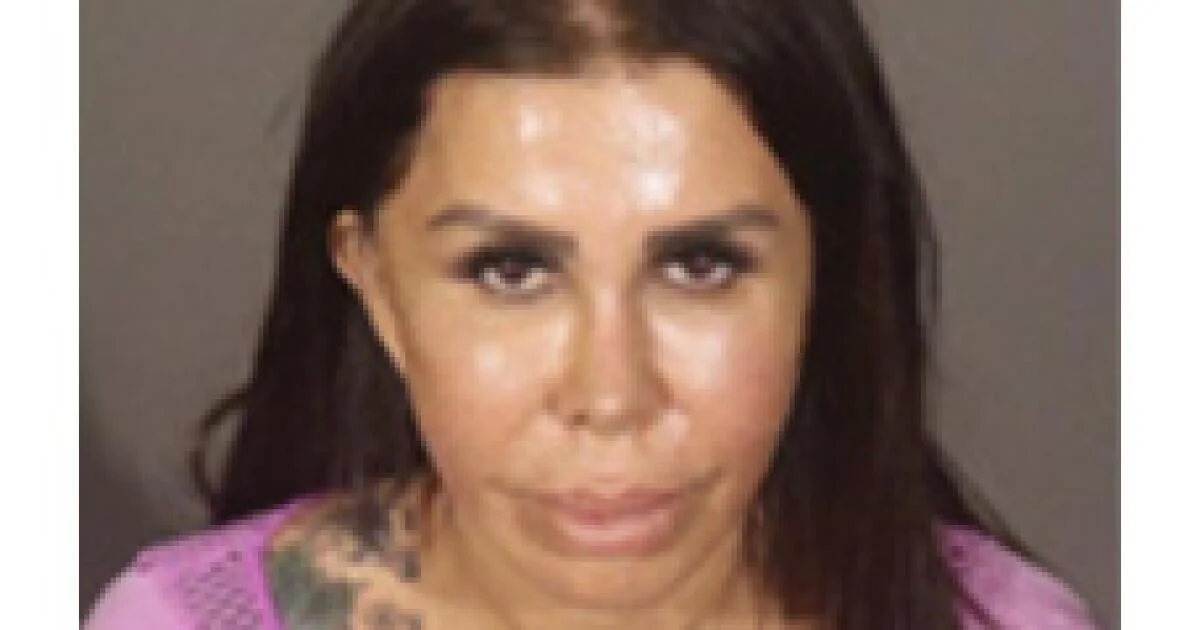
- Libby Adame was convicted of second-degree murder after administering fatal silicone injections to an actor.
- Cindyana Santangelo, a former TV actress known for roles in “Married … With Children,” “ER,” and “CSI: Miami,” died from the procedure.
- Adame had previously been convicted of involuntary manslaughter for a similar incident involving Karissa Rajpaul in 2019.
- The U.S. Food and Drug Administration has warned against silicone buttocks injections due to potential health risks, including embolism and death.
Background on Silicone Injections and the ‘Butt Lady’
In recent years, cosmetic procedures like silicone butt injections have gained popularity among Hollywood celebrities and aspiring models. However, these unregulated procedures can pose significant health risks if performed by unqualified individuals.
The case of Libby Adame, often referred to as “the butt lady,” highlights the dangers associated with such practices. Adame was a consultant for doctors who legally perform buttocks injections in Mexico but was operating outside legal boundaries in California.
Conviction and Sentencing Details
Adame was convicted of second-degree murder after administering silicone injections to Cindyana Santangelo, an actress with a diverse career spanning multiple TV shows. The fatal procedure took place on March 24, 2023, at Adame’s home in Malibu.
During the trial, prosecutors presented evidence that Adame had been conducting these dangerous procedures for years, despite a previous conviction and warning from L.A. Superior Court Judge George Lomeli. Her defense lawyer argued that she did not personally administer the injection to Santangelo, but this was ultimately dismissed by the jury.
Impact on the Industry and Future Regulations
The case has raised significant concerns within the entertainment industry about the lack of regulation in cosmetic procedures. The U.S. Food and Drug Administration (FDA) has issued warnings against such injections due to their unapproved status, potential long-term negative effects, and documented cases like those involving Adame.
Experts believe that this incident will likely lead to increased scrutiny and stricter regulations for non-medical practitioners offering cosmetic procedures in the United States. The industry is now facing pressure to ensure that all such treatments are performed by certified professionals under proper medical supervision.
Conclusion
The conviction of Libby Adame serves as a stark reminder of the risks associated with unregulated cosmetic procedures. As more individuals seek quick fixes for aesthetic enhancements, it becomes crucial for both consumers and practitioners to prioritize safety and legal compliance over convenience. The case underscores the need for robust regulations in the beauty industry to protect public health and prevent similar tragedies from occurring.