Key Highlights
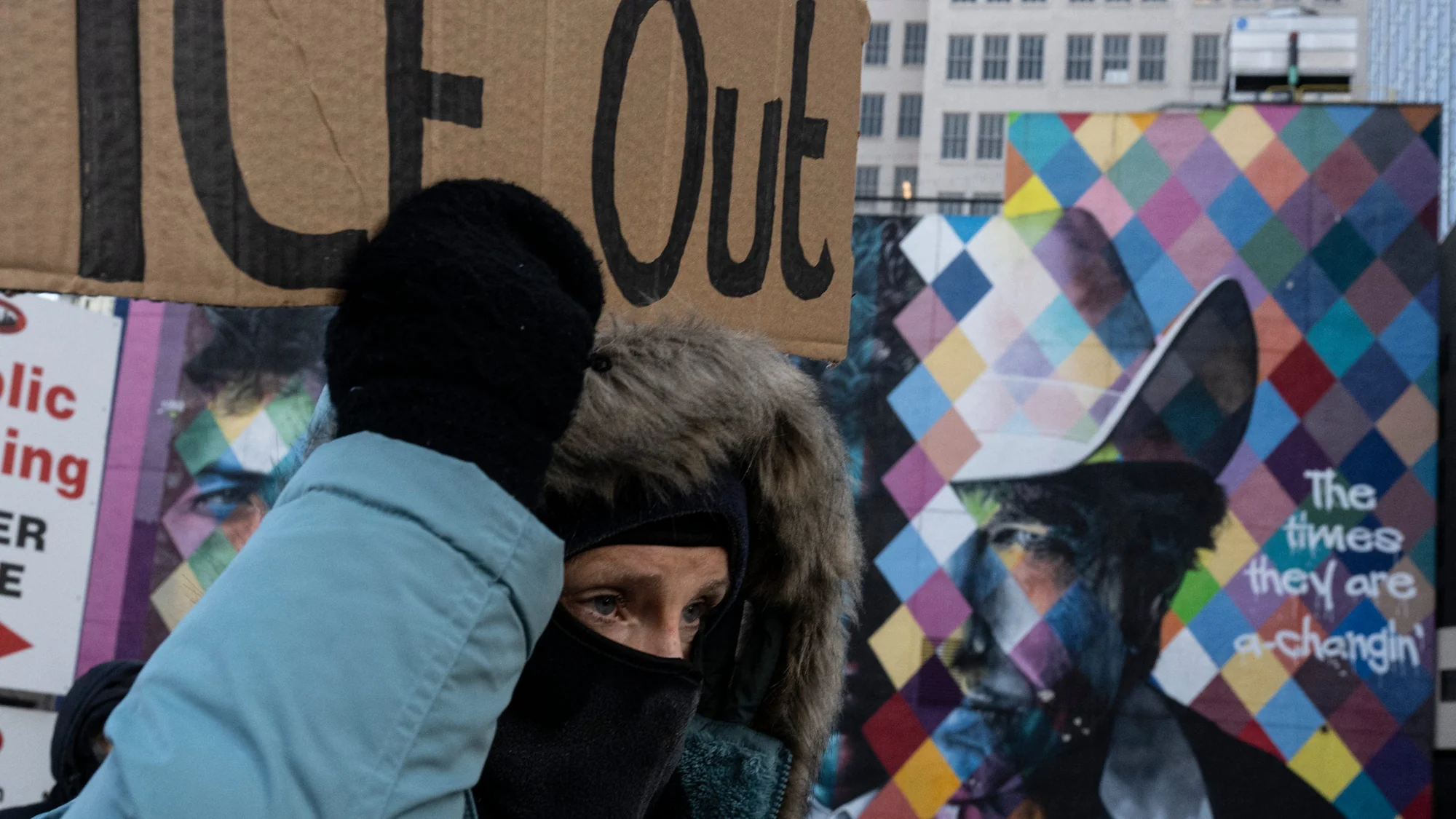
- Tens of thousands signed up for ICE watcher training ahead of scheduled protests.
- Activists plan to prepare Americans to respond to potential large-scale deportations by ICE.
- Two observers were killed while monitoring immigration activities in Minnesota, prompting calls for caution and preparation.
- No Kings protest coalition is organizing trainings nationwide.
The Rising Tide of Activism Against ICE
You might think this is new, but it’s not. The fight against Immigration and Customs Enforcement (ICE) has been brewing for years in America. And now, it’s boiling over into a nationwide movement that’s preparing thousands of volunteers to be on the front lines.
The Training Grounds
On January 26th, more than 147,000 people all across the country signed up for an online training session. The goal? To learn how to lawfully monitor and record immigration arrests.
This is part of a larger effort by national protest groups like Indivisible to prepare Americans for potential large-scale deportations. The next training is set for February 5th, with more planned before the March protests.
Deadly Warnings
The urgency of these trainings has been underscored by recent events. In January, two observers—Renee Nicole Good and Alex Pretti—were shot and killed while monitoring immigration agents in Minnesota. Pretti was an intensive care nurse who treated sick veterans before he was pinned to the ground by Border Patrol agents on January 24th and shot multiple times.
Good, a poet and mother of three, was fatally shot by ICE agent Jonathan Ross on January 7th.
Trump administration officials have referred to both as “domestic terrorists,” arguing that their actions put federal agents in harm’s way. But the activists see it differently. They’re preparing for what they believe is coming: a ransacking of communities by ICE.
A Call to Arms
“They are coming for you,” Ezra Levin, co-founder of Indivisible, told USA TODAY. “ICE is not stopping in Minneapolis, Maine, L.A., or just the blue cities. If you want to be prepared for what to do when ICE is ransacking your community, now is the time to get trained up; that’s what we need people doing.”
The No Kings coalition has been holding trainings throughout the year on how to safely protest and de-escalate tensions with police and counter-protesters. But Levin says this particular training was “by several orders of magnitude, more than any other training that we’ve ever done in history.”
Organizing Neighbors
In Minneapolis, a citywide coordinating group called Defend the 612 directs people to hyperlocal ways they can help. Neighborhood groups work to identify and track the vehicles agents use, blow whistles to warn immigrants to run or hide when officials approach, and try to obtain identifying information so they can notify the family of those arrested.
These efforts build on tactics developed in Los Angeles, Chicago, and other cities targeted by heavy immigration enforcement last year. The organizers believe that what’s happening in Minneapolis is extraordinary organizing on the ground in defense of communities and neighbors.
A Decentralized Movement
The trainings are decentralized, occurring in big, medium, and small cities and towns across the country. Minneapolis and St. Paul are expected to be among the flagship locations for the March 28th No Kings Day protest, which will again be decentralized.
For many of those who attended the training, it was not about being Minnesotans but about being prepared in case they need to respond locally.
The trainings offer practical information from the ACLU and similar groups about how to legally observe and record immigration officials, including what to do if they are told to stop recording.
Levin believes that Americans should know how to exercise their rights now, because “if we’re not prepared to stand up for them, we don’t have them.” The stakes are high, the risks real. And as long as ICE continues its operations, this decentralized movement will continue to grow and evolve.
So you might think it’s new. But it’s been building for a while now. And with every training session, every protest, every neighborhood group, the movement is only getting stronger.