Key Highlights
- The 2025 Atlantic hurricane season recorded three Category 5 hurricanes.
- Google’s DeepMind AI model outperformed traditional weather models like the U.S. GFS in predicting hurricane tracks and intensities.
- The U.S. GFS was identified as the worst-performing public forecast model of the 2025 Atlantic hurricane season.
- National Hurricane Center forecasters utilized DeepMind to mitigate the negative impact of poor performance from the American GFS model.
The 2025 Hurricane Season in Review
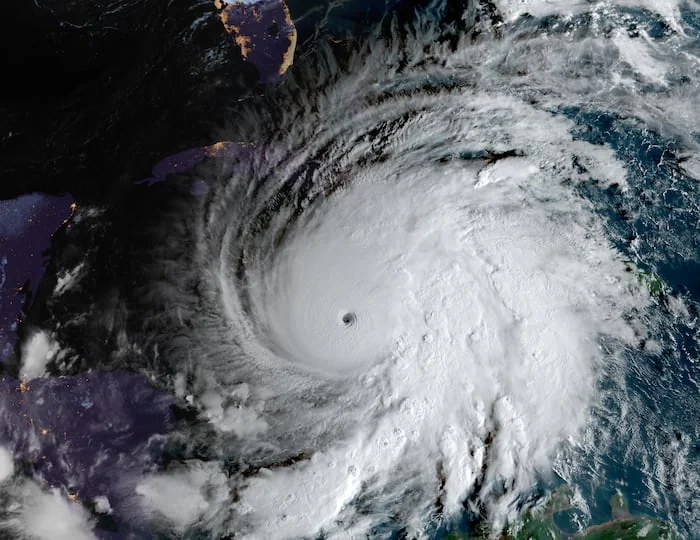
The 2025 Atlantic hurricane season, which officially concluded on November 3rd, saw a mix of exceptional storms and subpar predictions from traditional models. While the season was relatively quiet for U.S. landfalls, it featured three Category 5 hurricanes, making it one of the most active seasons in recent history.
The Standout Performers: DeepMind vs GFS
Among the various weather prediction tools available during the 2025 hurricane season, two models stood out for their unique approaches. Google’s DeepMind AI model, specifically designed for hurricane forecasting, consistently outperformed traditional physics-based models like the U.S. Global Forecast System (GFS).
DeepMind, trained on extensive global weather data and historical records dating back 45 years, demonstrated remarkable accuracy in both track predictions and intensity forecasts across the Atlantic and Pacific basins.
Challenges with GFS: A Season of Struggles
In stark contrast to DeepMind’s success, the U.S. GFS struggled significantly throughout the season. Preliminary verification by Brian McNoldy from the University of Miami highlighted that the GFS had the highest 5-day track error in over two decades, with an average deviation of up to 500 miles for its forecast of Melissa.
According to McNoldy’s analysis, the GFS’s performance was particularly poor, leading to a situation where the official hurricane forecasts from the National Hurricane Center (NHC) were consistently below their five-year average despite the American model’s deterioration.
Adaptation and Innovation at NHC
The National Hurricane Center demonstrated forward-thinking by integrating AI models like DeepMind into their forecast process. This real-time testing allowed forecasters to counteract the negative influence of GFS errors, ensuring more accurate predictions for critical events such as Melissa.
Michael Lowry, Local 10’s Hurricane Specialist and Storm Surge Expert, praised NHC’s approach: “The experts at the National Hurricane Center should be credited for being forward-thinking and working to evaluate and implement new powerhouse AI models in real-time this season.”
Future Implications: The Role of AI in Weather Forecasting
The 2025 hurricane season highlighted the potential of AI-driven weather models, not only in improving accuracy but also in providing a more robust framework to handle unexpected anomalies. As traditional models face increasing challenges due to data collection issues and other factors, the integration of advanced AI technologies could become crucial for reliable meteorological predictions.
Industry experts predict that continued advancements in AI will revolutionize weather forecasting, making it faster, more accurate, and better equipped to handle complex climate scenarios. The success of DeepMind during this season serves as a strong indicator of what is possible with the right tools and approaches.
Note from the Author: This will be the last routine issuance of the daily Talking Tropics for the 2025 hurricane season unless conditions warrant otherwise.
I extend my deepest gratitude to all our regular readers and new subscribers. We’ll resume the daily tropical weather updates in June 2026.