Key Highlights
- A 65-year-old North Carolina resident with no savings is advised to prioritize paying off consumer debt first.
- Dave Ramsey suggests making fixed payments on credit cards and a car loan to become debt-free within a year.
- The couple’s plan involves leaving their mortgage alone for now but tackling unsecured debt aggressively.
- Experts say Dave Ramsey’s advice is relevant for Canadians facing similar financial challenges, especially those nearing retirement.
Retirement Planning Amid Debt: North Carolina Couple’s Journey
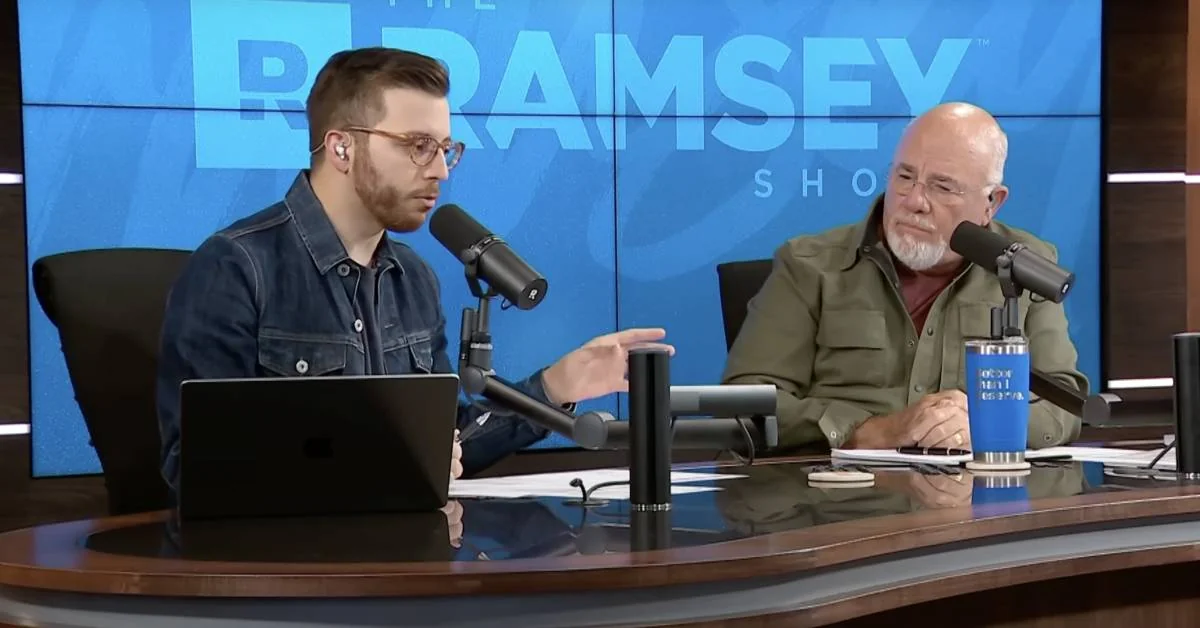
In a recent segment on The Ramsey Show, Dave Ramsey offered guidance to a 65-year-old man from North Carolina who found himself without any savings. Mark, along with his wife, is facing significant debt and no retirement fund. Despite their circumstances, Ramsey outlined a clear path for them to achieve financial independence by focusing on reducing their unsecured debt.
Addressing Unsecured Debt First
Ramsey advised the couple to start by making fixed payments towards their consumer debts, which include credit card balances and an auto loan. The goal is to eliminate these liabilities in just one year. By dedicating a minimum of $2,000 per month (excluding mortgage payments) towards debt repayment, Mark and his wife can make steady progress without jeopardizing their current living situation.
Strategic Mortgage Management
In the meantime, Ramsey suggested leaving their bi-weekly mortgage payments untouched. The couple is currently eight months into a 15-year mortgage with an outstanding balance of $115,000. While they are not advised to change their mortgage strategy at this time, prioritizing unsecured debt allows them to free up more funds for savings and investments in the future.
“The key is to focus on what you can control,” Ramsey emphasized during his advice session with Mark. “By tackling your credit cards and car loan first, you create a clear path to becoming debt-free and laying the foundation for retirement.” This approach not only alleviates immediate financial stress but also prepares them for potential changes in their personal or economic situations.
Lessons for Canadians
This advice from Dave Ramsey is particularly pertinent for older Canadians who are nearing retirement. As consumer debt levels continue to rise across the country, many individuals find themselves struggling with similar challenges. According to TransUnion’s Q2 2025 Credit Industry Insights Report, Canadian consumers hold an average credit card balance of $4,609, up by 2.43% from the previous year.
Ramsey’s recommendation highlights the importance of prioritizing high-interest debts like credit cards and personal loans over secured debt such as mortgages. By following this strategy, Canadians can achieve greater financial security in their later years, ensuring a smoother transition into retirement without the burden of ongoing debt.
“The path to financial independence is achievable,” Ramsey concluded. “With discipline and strategic planning, Mark and his wife can look forward to a secure and debt-free future.” His advice serves as both an encouragement for those currently facing similar challenges and a warning for younger Canadians who may be headed down the same path.