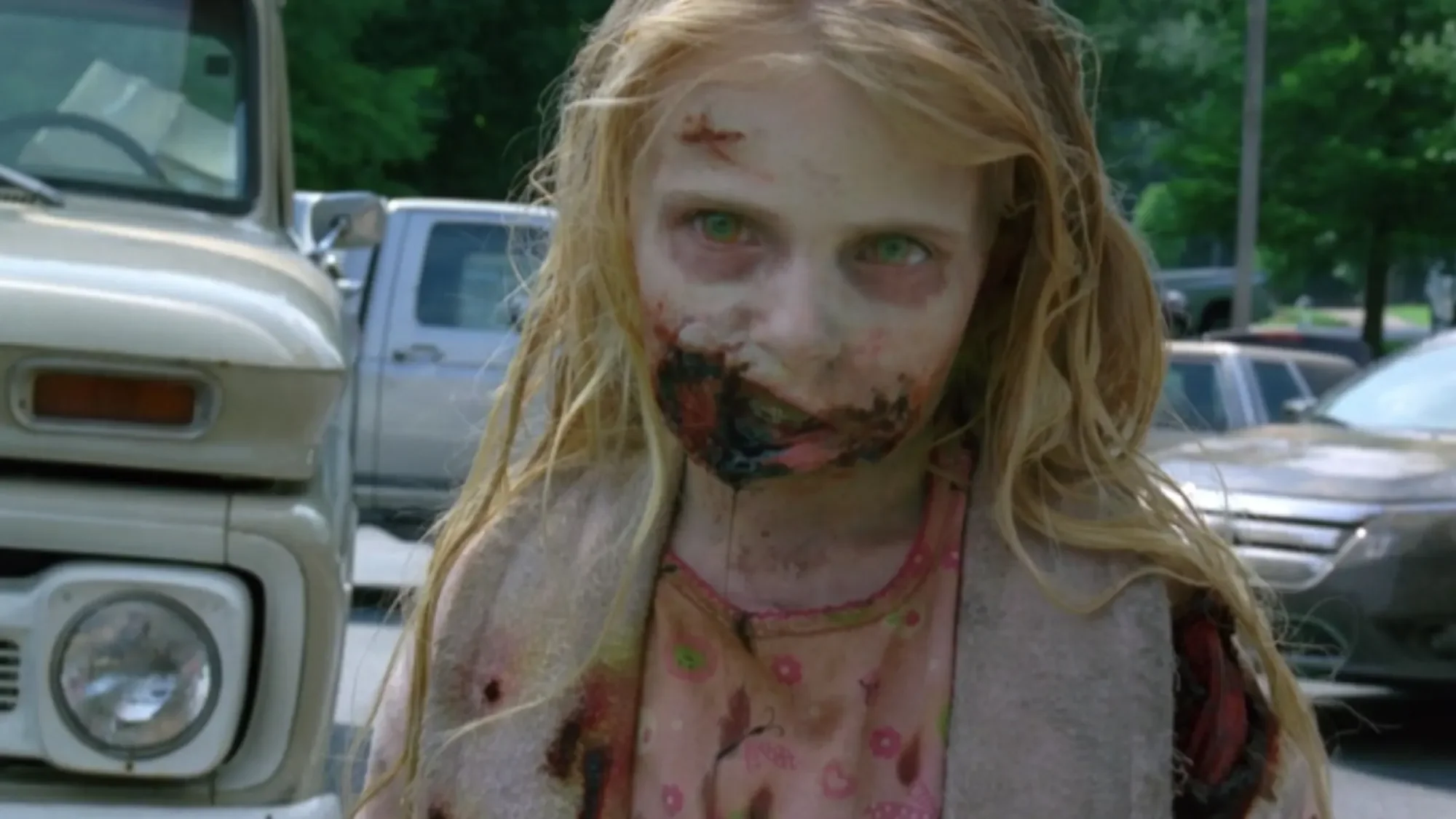
Key Highlights
- The Walking Dead’s pilot episode “Days Gone Bye” aired on October 31, 2010.
- The show revolutionized the zombie genre by focusing on character development and tension over gore.
- Frank Darabont’s approach to storytelling with minimal exposition set a new standard for horror TV shows.
- The pilot episode is considered one of the best in television history, influencing subsequent seasons and spin-offs.
The Birth of an Icon: The Walking Dead’s Groundbreaking Pilot Episode
On October 31, 2010, a single event set the stage for one of the most influential TV shows in modern history. AMC aired The Walking Dead, a pilot episode that not only introduced viewers to a post-apocalyptic world but also redefined what horror television could be.
A Revolution in Horror Television
Before The Walking Dead, zombie shows on television were rare and often lacked depth. This inaugural episode of The Walking Dead brought something fresh to the table by crafting a narrative that was both gripping and complex. The pilot’s title, “Days Gone Bye,” encapsulates the show’s core premise: it is not just about zombies, but about survival in a world overrun with them.
Showrunners and Visionary Direction
Frank Darabont, the visionary behind the series, masterfully applied his philosophy of “show, don’t tell” to the pilot. His approach was nothing short of revolutionary. The episode begins with a cop named Rick Grimes (played by Andrew Lincoln) waking up from a coma in an abandoned hospital.
The setting is immediately tense and unsettling, leaving viewers no time to adjust to the new reality.
The lack of explanatory narration creates a sense of confusion and isolation that mirrors the character’s experience. This technique not only builds tension but also immerses the audience in Rick’s world from the start. Each scene, from the eerie silence to the fixed camera angles, serves a purpose, ensuring that viewers feel the same fear and uncertainty as the characters.
The Impact on Pop Culture
More than just a pilot episode, “Days Gone Bye” set the tone for what would become an international phenomenon. It demonstrated that horror television could be intelligent, character-driven, and sustain viewer interest through subtle pacing and strong storytelling techniques rather than relying on overt gore or exposition.
The show’s success paved the way for other series to explore similar themes with a focus on narrative depth. Its influence can still be seen today in how horror and zombie shows are produced and marketed, making it a critical moment in television history.
Legacy of “Days Gone Bye”: A Masterclass in Rebooting a Genre
The Walking Dead’s pilot remains a must-watch for any fan of the genre. It is more than just a great episode; it’s a masterclass in how to reboot a genre with solid storytelling and smart direction. The episode’s ability to hook viewers in the first few minutes by immersing them in Rick’s world is a testament to its enduring quality.
Even fifteen years later, “Days Gone Bye” stands as a landmark in television history, proving that in true TV horror, there’s no room for distractions.
The show forces you to live in the world alongside the characters, making every decision and moral choice feel personal and impactful.
The legacy of this groundbreaking pilot is evident not only in its critical acclaim but also in the spin-offs it spawned, each one carrying forward the show’s core principles of character-driven storytelling and tension-building. The Walking Dead remains a household name, recognized even by those who don’t typically watch television, all thanks to that pivotal first episode.