Key Highlights
- New York City Mayor Zohran Mamdani announced a $50 ticket lottery for 1,000 FIFA World Cup tickets.
- New Jersey officials criticized the deal, perceiving it as favoring New York City.
- FIFA was only involved to ensure the discounted tickets went to genuine fans attending games.
- Both states have different priorities in dealing with FIFA’s ticket policies.
NYC vs NJ: A Battle of Will and Wallet
New York City Mayor Zohran Mamdani has stirred the pot once again, this time over a controversial World Cup ticket lottery. But it’s not just about soccer; it’s about pride, politics, and who gets to be on top in one of America’s most competitive cities.
The $50 Lottery
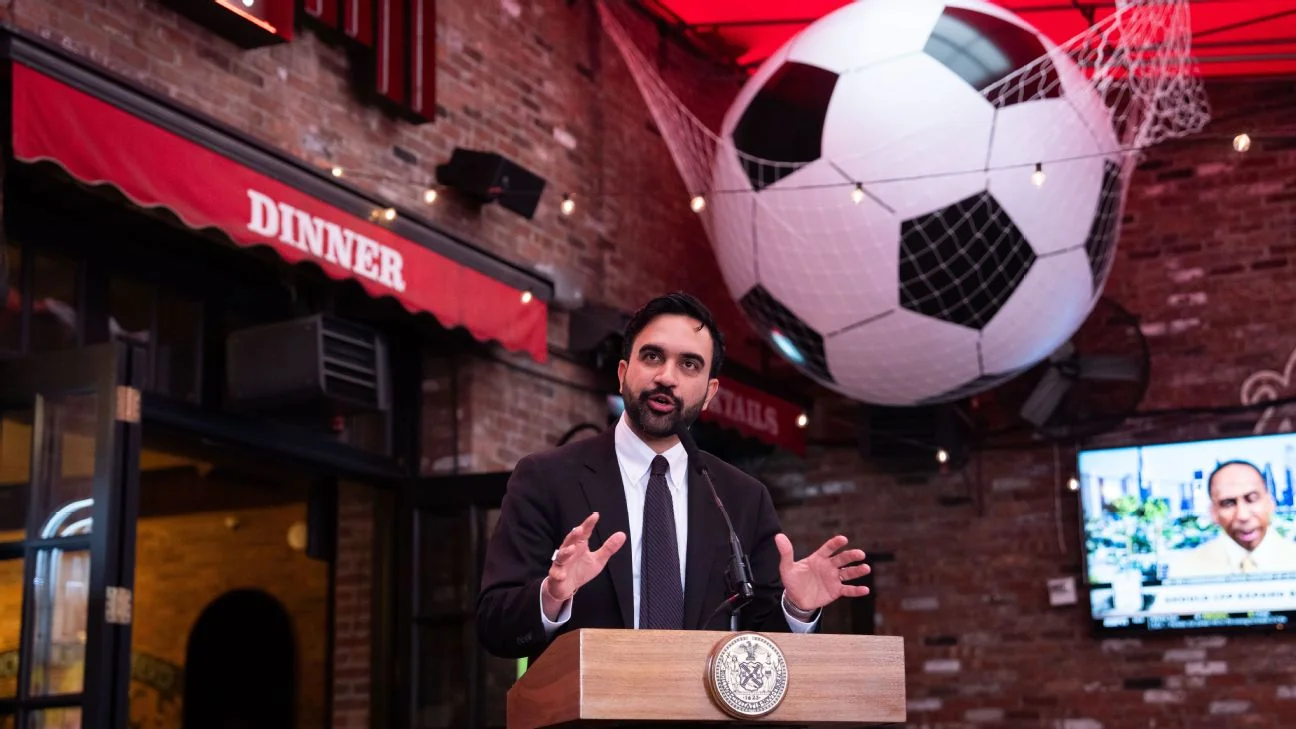
Ahead of the FIFA World Cup in New York City, Mamdani announced a deal that allows residents of NYC to buy 1,000 tickets for just $50 each. It’s a move aimed at ensuring working-class citizens can experience the excitement without breaking the bank. “We are making sure that working people will not be priced out of the game,” Mamdani told reporters.
New Jersey’s Anger
But the deal is not sitting well with New Jersey officials. Stephen Sigmund, a spokesperson for N.J. Gov. Mikie Sherrill, said, “FIFA not caring about costs for New Jersey residents isn’t new.” He added that this arrangement only further justifies Governor Sherrill’s efforts to lower costs on her own.
The divide is clear: while Mamdani sees the lottery as a way to keep costs down and ensure access for all, Sherrill views it as a reward for wooing FIFA. “This is just another reason why Governor Sherrill is working hard to lower costs on our own,” Sigmund said.
FIFA’s Role
According to sources close to the negotiations, FIFA was only involved to ensure that tickets went to fans who genuinely planned to attend. “FIFA was only involved to the extent that it wanted to make sure the discounted tickets went to fans who genuinely planned to attend the games and be in the stadium,” a FIFA source said.
Two New Jersey members of Congress, Nellie Pou and Frank Pallone Jr., are not happy with this deal. They sent a letter to FIFA two weeks ago asking for explanations about their “opaque” and “potentially deceptive” ticket policies. “One thousand tickets spread over seven games, by our math, amounts to 0.17% of available tickets for those games,” they said in a joint statement.
The Political Stakes
The deal is more than just about soccer; it’s a political battle between two states vying for FIFA’s favor and the attention that comes with hosting such an event. Mamdani ran on this affordability campaign, and today he fulfilled a campaign promise. For Sherrill, the alleged slight to New Jersey is the price of a governor standing up against a deal she thought was bad for her state.
Sherrill has been clear that she is not pleased with the deal inherited from the previous governor, Phil Murphy. “The original deal signed by then-Gov.
Murphy left New Jersey residents with too much of the cost of transportation and security,” Sherrill said in a statement. She also canceled the planned fanfest in Liberty State Park to reallocate $5 million for community-based events around the state.
The battle between NYC and NJ over FIFA’s World Cup tickets is not just about who gets what; it’s about who gets the glory, the revenue, and the attention from soccer fans. As the World Cup draws near, this conflict will likely continue to simmer until kickoff day.