Key Highlights
- A US-bound plane from Paris to Detroit was diverted to Canada due to an “in error” boarding of a passenger from the Ebola-hit Democratic Republic of Congo.
- The passenger is being assessed and flown back to France by Canadian health officials who stated they did not find any symptoms upon assessment.
- US entry restrictions for individuals from Ebola-affected regions are in place, with screenings at specific airports.
- The current Ebola outbreak has been declared a public health emergency of international concern by the WHO.
Airlines Face New Challenges: Safety vs. Practicality
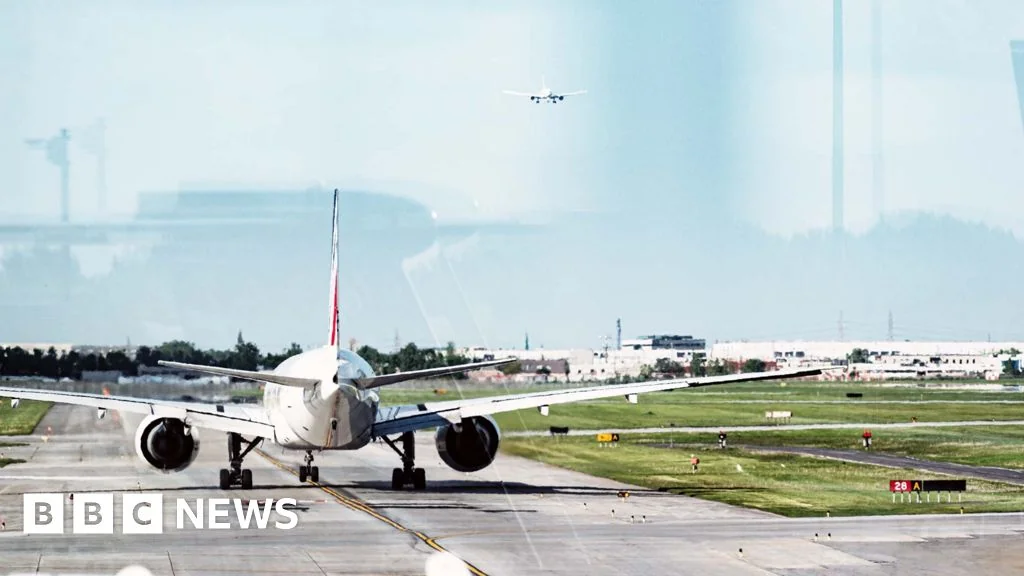
It was just another day for Air France’s flight from Paris to Detroit, until an “in error” boarding of a passenger from the Ebola-hit Democratic Republic of Congo forced it into an unexpected detour. The plane, originally scheduled to land in Detroit, was diverted to Montreal after US authorities denied entry to this individual.
The incident highlights the delicate balance airlines must strike between safety and practicality when dealing with public health emergencies. While the passenger did not exhibit any symptoms upon assessment by Canadian officials, the precautionary measure underscores the stringent measures in place to prevent the spread of Ebola.
US Entry Restrictions: A Necessary Precaution
The United States has implemented entry restrictions for individuals who have been in Ebola-affected regions within the last three weeks. These measures are part of a broader strategy to contain the virus’s spread, even as the current outbreak is declared a public health emergency by the World Health Organization (WHO). The risk, while low, remains significant enough to warrant these precautionary steps.
One American has already tested positive for Ebola, highlighting the potential dangers and the need for vigilant screening at airports. While Air France was informed of the passenger’s condition “in error,” it is now faced with the challenge of rerouting its flight, adding yet another layer of complexity to an already complex situation.
Public Health Emergency: A Call for Caution
The declaration of a public health emergency by the WHO signifies the gravity of the current Ebola outbreak. The Bundibugyo species of the virus does not have a vaccine, and it could take up to nine months before one is ready. This timeline adds urgency to measures like those taken by US authorities, which aim to prevent any potential spread within their borders.
While the diverted flight may seem like a small inconvenience compared to the broader public health implications, it serves as a stark reminder of the challenges faced in managing such emergencies. The cooperation between Canadian and American officials highlights the importance of international collaboration in addressing global health threats.
A Cynical View: A Necessary Nuisance?
You might think this is new, but diverting flights due to potential public health concerns has become an all-too-familiar occurrence. While it’s reassuring that the passenger did not show symptoms, one can’t help but wonder if these measures are always as necessary as they seem. The reality is often more complex, with layers of bureaucracy and precautionary measures.
For airlines, this incident highlights the increasing burden placed on them to ensure public safety while maintaining operational efficiency.
For passengers, it serves as a reminder that travel can sometimes come with unexpected complications. The true test will be in how well these systems adapt and evolve to meet the challenges of an ever-changing global health landscape.