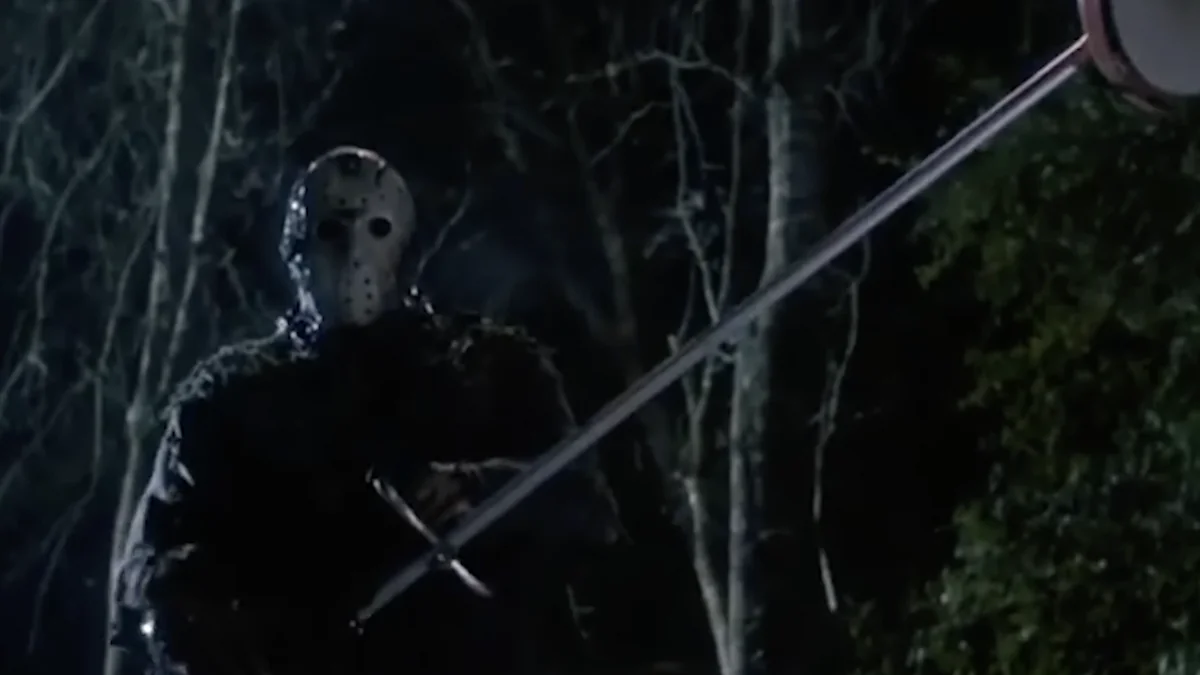
Key Highlights
- The success of “Friday the 13th” led to a series of sequels that often lacked direction.
- “Friday the 13th Part VII: The New Blood” aimed for a fresh take but ultimately failed in execution.
- Despite its flaws, the movie’s concept could have revitalized the franchise if properly developed.
In the early 80s, Paramount Studios released “Friday the 13th,” a film that brought the world Jason Voorhees and made $59.754 million worldwide on a budget of just $650,000. This success called for sequels, but each subsequent entry struggled to find its purpose.
By 1988, Paramount had already killed off Jason in “The Final Chapter,” only to resurrect him as a zombie in “Jason Lives.” The next step was clear: pit the iconic killer against another monster. Enter “Friday the 13th Part VII: The New Blood.”
The movie introduces Tina Shepherd, a troubled teen with telekinetic powers and an abusive parent, much like Carrie White from Stephen King’s novel.
Tina’s backstory is supposed to add depth, but it fails spectacularly. She runs away from home after witnessing her father beat her mother, then years later, she returns to Crystal Lake under the guise of helping a researcher study her powers.
Director John Carl Buechler tries to balance character development and horror elements, but his expertise lies more in special effects. The result is a patchwork of interesting ideas that never fully come together.
The telekinetic abilities Tina exhibits are impressive, especially when they save her from Jason, outperforming even the plucky Ginny Field from “Part II.”
Yet, despite its promising premise, “The New Blood” squanders the potential. The final showdown between Tina and Jason is underwhelming, and the overall execution feels rushed. It’s a missed opportunity for a franchise that could have evolved into a monster fight series.
The movie fails to capitalize on the excitement of pitting two supernatural entities against each other.
Instead, it offers a mix of clichés and half-baked ideas. John Carpenter’s “Halloween,” which paved the way for this kind of cross-monster battle, is a better model for the franchise’s evolution.
“The New Blood” serves as a reminder that while originality can be hard to come by in horror, it’s essential. The 1988 film, though flawed, hints at what could have been if the makers had stuck to their guns and avoided clichés. Instead, it’s just another entry in a series that often felt like an uphill battle for relevance.