Key Highlights
- Pennsylvania allocates $100M for public EV chargers in communities.
- Funding targets southeastern Pennsylvania initially, with more regions to follow.
- The initiative builds on previous $54M investment and aims to expand NEVI infrastructure.
- Legal battles over federal funding delays continue to impact project timelines.
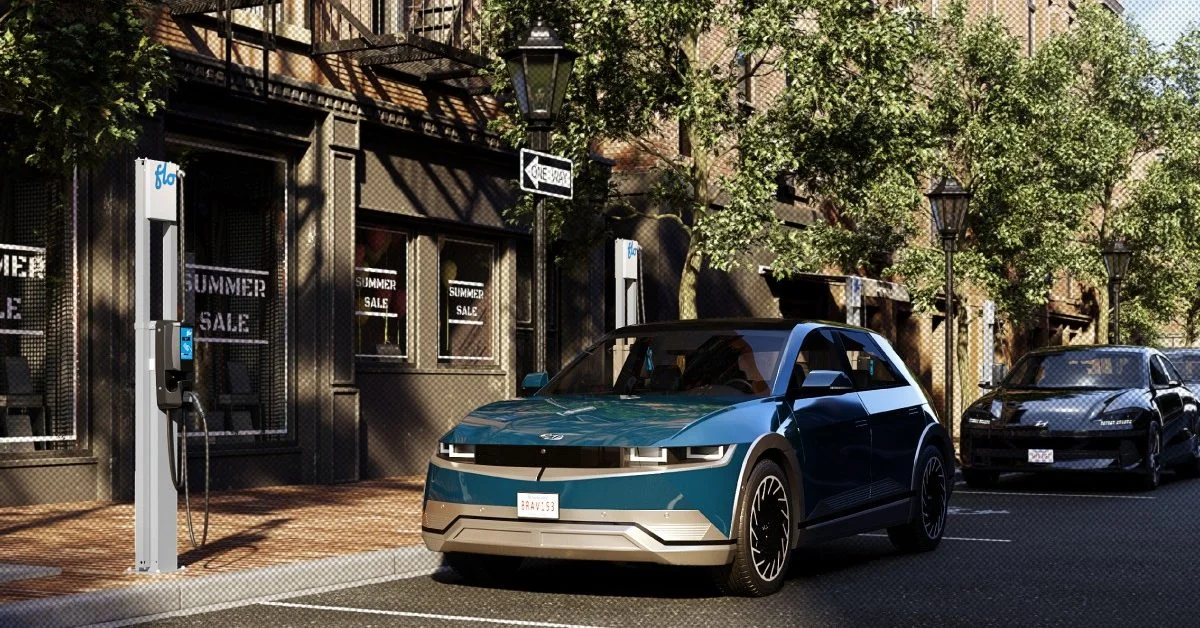
Pennsylvania is taking a significant step forward in its electric vehicle (EV) strategy with the unveiling of another $100 million toward public EV charger installations. This move aims to bring chargers into communities across the state, marking a strategic shift from previous highway-focused initiatives.
Regional Rollout Plan
The Pennsylvania Department of Transportation (PennDOT) has launched the Community Charging phase of the National Electric Vehicle Infrastructure (NEVI) program. The first region to receive funding includes Bucks, Chester, Delaware, Montgomery, and Philadelphia counties. This area will see around $34 million allocated for charger projects.
Local Prioritization
While local transportation planning agencies will decide specific sites, any publicly accessible location in these counties can apply for the grant. To streamline the process, PennDOT has released a survey for businesses, property owners, and organizations to connect with charging developers and operators before submitting applications.
Previous Investments and Impact
So far, Pennsylvania has seen modest but real usage from its $54 million NEVI investment. The state boasts 29 federally funded stations either built or under construction, costing about $17 million. Another 54 stations are in planning or construction phases.
Real Usage Numbers
The existing chargers have supported more than 80,000 charging sessions, enabled an estimated 9.6 million miles of driving, and cut over 2,000 metric tons of carbon dioxide emissions since December 2023.
Legal Battles and Funding Delays
This expansion comes while federal NEVI funding remains tied up in legal fights. The US Department of Transportation is currently withholding congressionally approved funds, a move that states say should be flowing to charging projects. Governor Josh Shapiro (D-PA) has sued the Trump administration over this issue, arguing it’s unlawful.
These delays are costing time, planning certainty, and in some cases, construction seasons. It’s clear that while Pennsylvania is moving aggressively compared to many states, these legal battles are a significant obstacle.
Funding Fight
The NEVI numbers so far may be modest, but they reflect real usage. The bigger story is the ongoing federal funding fight. States are trying to build NEVI infrastructure, but the Trump administration deliberately slows progress through legal and administrative battles.
Even when courts rule against federal agencies, delays still cost time and money.
It’s a pointless waste of time and money. Until these legal issues are resolved, states like Pennsylvania will continue to face significant challenges in realizing their EV charging goals.