Key Highlights
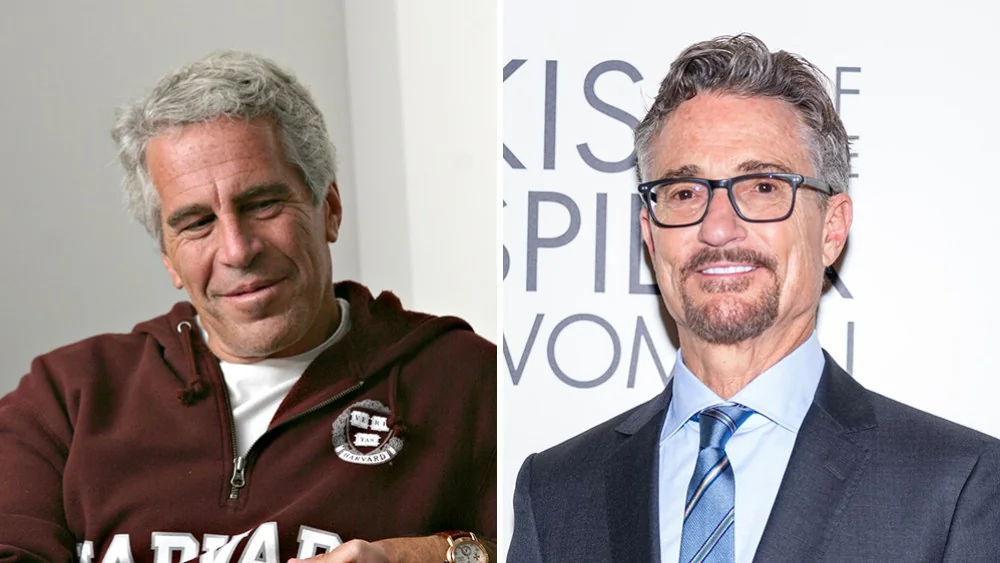
- Jeffrey Epstein’s connections with Barry Josephson, a producer of “Bones,” revealed through emails.
- Emails show Epstein and Josephson maintained close ties despite Epstein’s past convictions.
- Epstein relied on Josephson for set visits, advice, and personal loans.
- Josephson issued a statement distancing himself from Epstein’s accusations.
Back in 2011, when Jeffrey Epstein needed an assistant, he turned to his friend Barry Josephson, the producer of “Bones.” Josephson provided more than just introductions; he was a constant presence in Epstein’s life until his untimely death. The emails between them, now public, reveal a level of intimacy that makes one question the nature of their friendship.
Epstein’s Circle
Josephson wrote back to Epstein saying, “I have ‘the’ girl,” describing her as “Young, attractive, insane rack.” This casual language hints at the type of environment in which these emails were exchanged. Josephson wasn’t just a producer; he was part of Epstein’s inner circle, helping with auditions and set visits for young women in Epstein’s network.
Their relationship extended beyond mere introductions. In 2011, Epstein lent Josephson $120,000, which was repaid.
Two years later, he helped cover a $215,000 tax bill. “I am overwhelmed by your friendship,” Josephson wrote after the second loan was paid back. This exchange of favors and advice underscores their deep connection.
Favor and Advice
Josephson’s emails reveal that he arranged set visits for young women Epstein wanted to cast in projects. However, the producer also struggled with the reality of casting, explaining, “The whole auditioning process is brutal, it’s harsh, it’s filled with disappointment.” Despite his frustration, Josephson continued to help Epstein navigate these challenges.
Distance and Denial
Josephson’s statement issued on February 2 clarifies that he was aware of the allegations by 2016 but did not believe them. “I’ve encountered thousands of people,” he said, “and it blinded me.” Josephson’s regret is palpable as he distances himself from Epstein. His initial denial and subsequent apology highlight the complexity of these relationships.
Josephson envied Epstein’s circle and connections, saying, “I want one week a year of your life!” He sought to leverage this friendship into a studio job but ultimately distanced himself upon learning more about the accusations. “There’s no excuse for what I said in some of my emails,” he admitted.
Epstein’s Plan
The emails also detail Epstein’s plans for movies and films, including his idea for a movie that would be “a fictionalized account of what happens to people falsely accused.” Josephson offered to make the film through his company, suggesting it could feature “beut girls” among the “one percent.” This vision was never realized, but it provides insight into Epstein’s mind and ambitions.
In a final twist, Josephson’s statement reveals the extent of his regret. “My biggest regret, bar none, is that I foolishly believed his denials.” It’s a stark reminder of how easily powerful friendships can be compromised by dark truths.
As we navigate through these emails and statements, one cannot help but wonder about the nature of power and friendship in Hollywood. Epstein’s circle was vast and influential, yet it seems to have blinded even those closest to him.