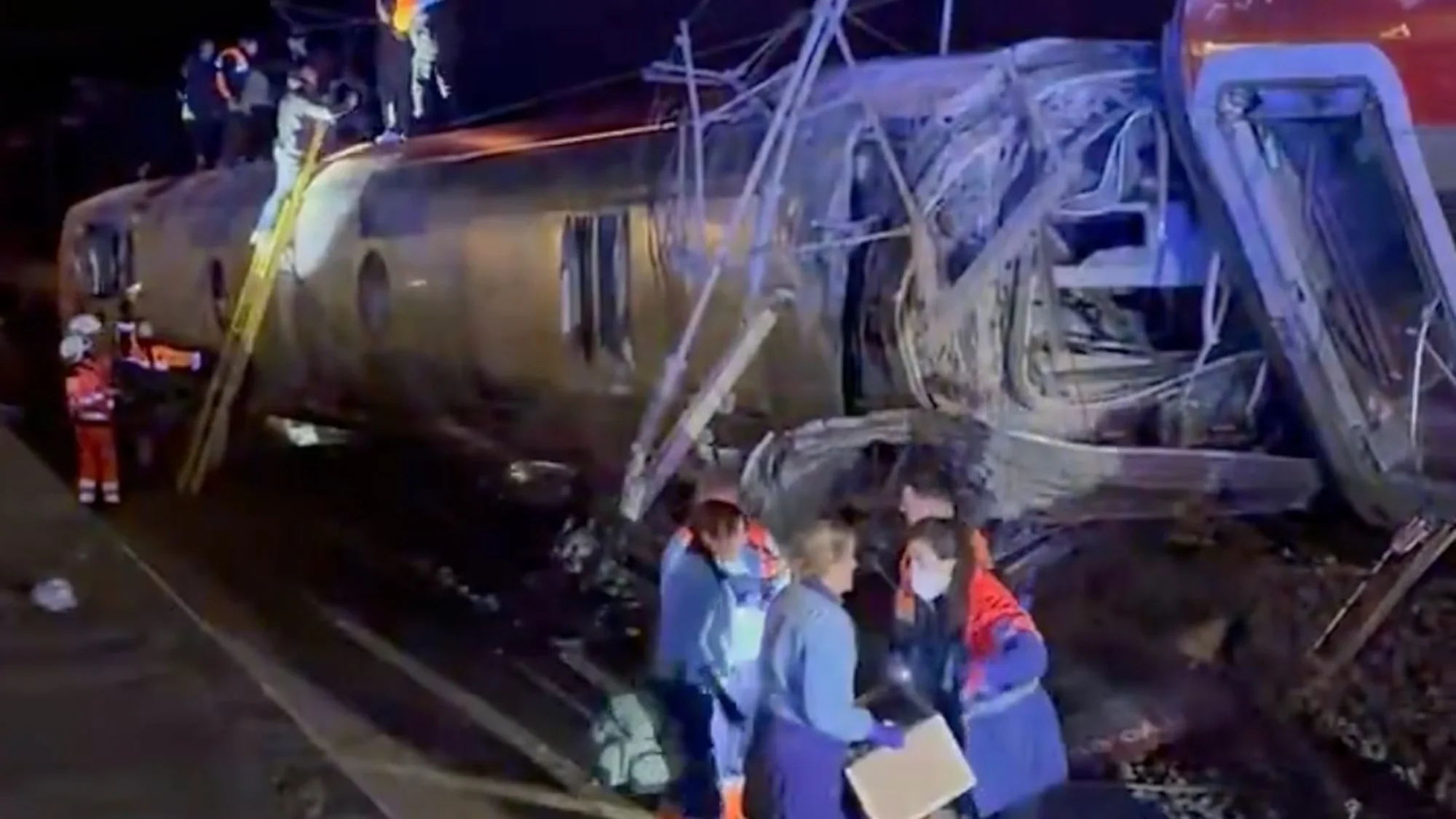
Key Highlights
- At least 21 people killed and over 100 injured in a high-speed train collision in southern Spain.
- The accident occurred when a Madrid-bound train derailed near Adamuz, crossed an adjacent track, and collided with a Huelva-bound train.
- Of the 100 injured, at least 25 sustained severe injuries.
- Rescue teams are on-site, and all trains between Madrid and Andalucía have been suspended.
Accident Overview: High-Speed Tragedy in Spain
The incident unfolded at approximately 1:30 PM local time on Sunday, January 18, 2026, near the town of Adamuz in southern Spain. According to official reports, two high-speed trains collided, resulting in a significant loss of life and injuries.
Trains Involved
The first train was traveling from Málaga towards Madrid when it derailed just outside Adamuz. This train then crossed an adjacent track, intersecting paths with another train en route to Huelva from Madrid. The collision occurred at the point of intersection, causing extensive damage and loss.
Human Impact
The scale of the disaster is stark. At least 21 individuals lost their lives, while over 100 others were injured. Among those injured, approximately 25 suffered severe injuries that required immediate medical attention. Local authorities and emergency services have been deployed to assist with the rescue efforts.
Response and Suspension of Services
The incident has prompted a swift response from both local and national authorities. Rescue teams are actively working at the scene, providing assistance to those injured and ensuring that no further accidents occur. In light of the derailment and collision, all train services between Madrid and Andalucía have been temporarily suspended.
Investigation and Next Steps
The cause of the initial derailment remains under investigation. The Ministry of Interior is leading the inquiry to determine the exact circumstances that led to this tragic event. Authorities are urging passengers and residents in the area to remain vigilant until further notice.
This accident has sent shockwaves through Spain’s rail network, raising questions about safety protocols and maintenance practices in high-speed trains.
As investigations continue, the Spanish government is likely to review existing regulations and enhance safety measures to prevent similar incidents from occurring in the future.
The incident serves as a stark reminder of the potential risks associated with high-speed travel and highlights the critical importance of robust safety standards within transportation systems. The community mourns the loss of lives and hopes for swift justice and comprehensive reforms.