Key Highlights
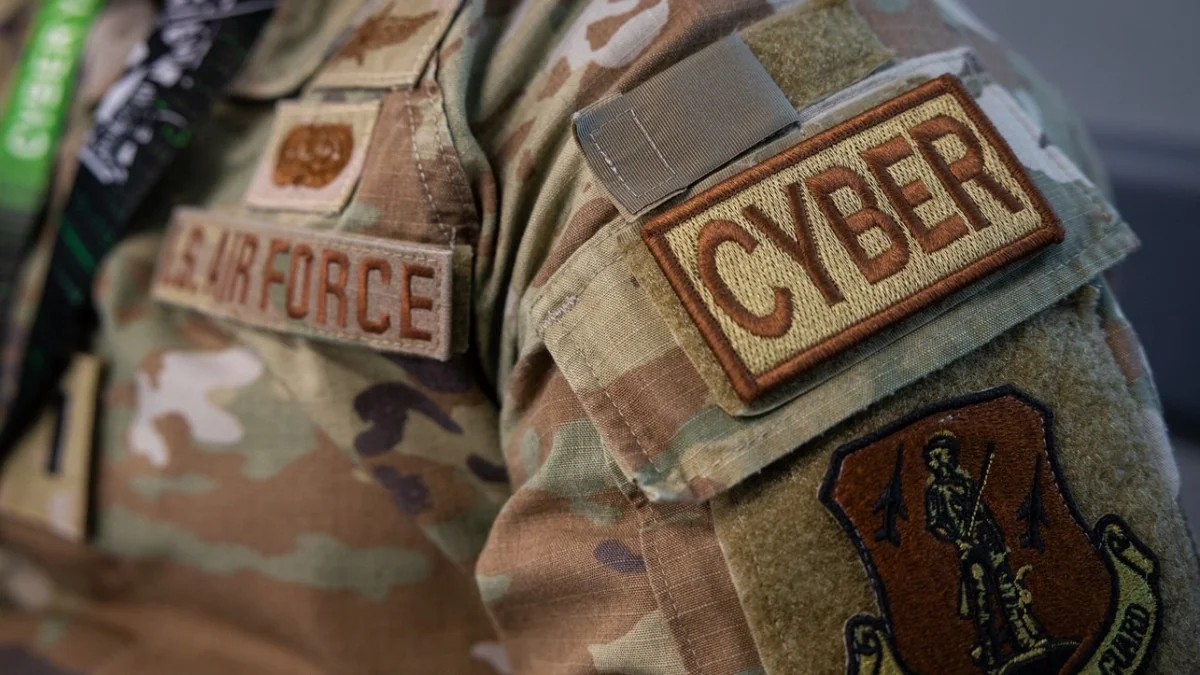
- The Air Force officially brought back job patches for Operational Camouflage Pattern (OCP) uniforms after a year of ban.
- Air Force Chief of Staff Gen. Kenneth Wilsbach stated the return is to recognize the unique roles of different specialties in generating airpower.
- Previously, then-Chief of Staff Gen. David Allvin banned the patches due to their perceived division among airmen.
- The new policy includes duty identifier patches for various Air Force Specialty Codes (AFSCs), such as “AGE,” “ABM,” and “DIRT.”
Return of Job Patches: A Shift in Military Uniform Policy
Following a year-long absence, the Air Force has decided to reintroduce job patches onto operational uniforms. This decision comes from the top echelons of the service, with Chief of Staff General Kenneth Wilsbach emphasizing the importance of recognizing the diverse roles that contribute to the overall mission.
Airmen’s Voices and Prior Policy
The change was met with mixed reactions among airmen. Many felt the patches provided a sense of community and pride, while others argued they created unnecessary divisions within the ranks. In 2024, then-Chief of Staff General David Allvin banned the patches, stating, “As we identify ourselves as one type of airman or another, with one specialty or one skillset or another, we really diminish ourselves.” This decision was part of a broader effort to streamline uniform policies and promote a unified identity among airmen.
Current Policy and Special Patches
The new policy allows for the return of duty identifier patches, which will be worn on the left shoulder of OCP uniforms. These patches are designed to identify specific Air Force Specialty Codes (AFSCs), such as “AGE” for Aerospace Ground Equipment technicians, “ABM” for Air Battle Managers, and “DIRT” for Pavements and Construction Equipment airmen. The Air Force has also introduced new tabs for specialized roles like Arctic operations, honor guards, and special operations.
However, the return of job patches is not without its nuances. Some key details in the updated uniform regulation highlight specific changes: officers no longer need to maintain a full set of OCPs if their daily work does not require them; earbud usage is restricted to certain situations like travel and physical fitness gear during personal workouts.
Industry Context and Expert Analysis
This move by the Air Force can be seen as part of broader trends in military uniform policies. As technology and specialization continue to evolve, armed forces are increasingly recognizing the value of visibly acknowledging unique roles within the ranks. This shift is not just about appearance but also about fostering a sense of identity among service members.
According to Matt White, a senior editor at Task & Purpose, “The return of these patches reflects a balance between maintaining a unified image and respecting the diverse contributions of different specialties.” White adds that such changes can have significant psychological impacts on morale and unit cohesion.
Conclusion
The Air Force’s decision to reintroduce job patches underscores the complexity of uniform policies in today’s military. While it addresses some of the concerns raised by airmen, it also signals a broader effort to recognize and celebrate the unique roles that each member plays in achieving mission success.