Key Highlights
- The Centers for Disease Control and Prevention (CDC) announced an unprecedented overhaul of the childhood vaccine schedule, aligning it more closely with Denmark’s.
- The change will recommend vaccines for 11 diseases instead of the previous 18, aiming to restore trust lost during the pandemic.
- Health experts warn against this change, citing the lack of scientific rigor and potential negative impacts on vaccination rates.
- Denmark’s vaccine schedule differs from the U.S. in terms of recommended vaccines and their timing.
The CDC’s Unprecedented Move to Overhaul Childhood Vaccine Schedule
In a significant shift, the Centers for Disease Control and Prevention (CDC) has announced an unprecedented overhaul of the childhood vaccine schedule that will closely resemble Denmark’s recommendations. This move is part of broader efforts to restore public trust in vaccines following the challenges posed by the pandemic.
Aims to Restore Vaccine Trust
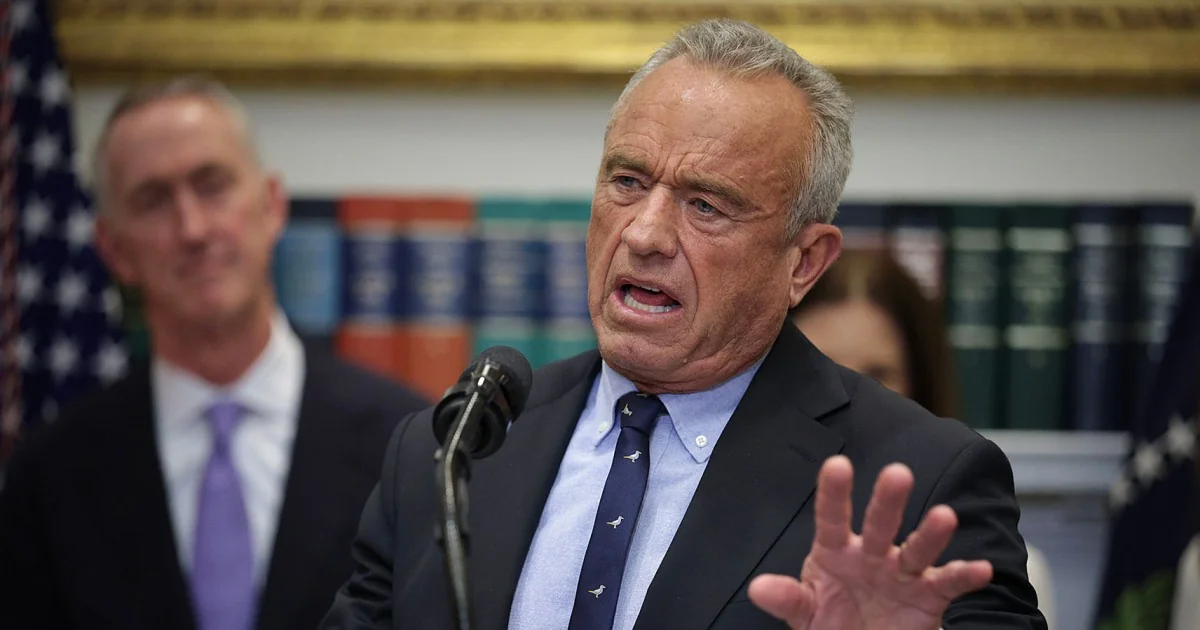
Health Secretary Robert F. Kennedy Jr., speaking at the White House, stated that the change aims to address the loss of trust during the pandemic period. “The loss of trust not only affected the COVID-19 vaccine uptake but also contributed to lower rates of other consensus vaccines,” he explained.
New Recommendations and Their Implications
Under the new schedule, which becomes effective immediately, all children will receive vaccinations for 11 diseases. This is a reduction from the previous 18 recommended vaccines. While some vaccines remain mandatory, others are now being recommended based on individual circumstances or shared clinical decisions.
Expert Criticism and Concerns
Health experts like Dr. David Margolius, director of public health for Cleveland, have expressed concerns about the change’s rationale. “There’s no ‘rigor or reason’ to reduce the number of shots just because another country did it,” he stated. He added that this could lead to confusion and a decline in vaccination rates.
Comparison with Denmark
Denmark’s vaccine schedule differs from the U.S.’s in several ways. While they do not include vaccines for diseases like flu, COVID-19, RSV, chickenpox, hepatitis A, rotavirus, and meningitis, they still recommend certain vaccines such as polio, diphtheria, tetanus, and whooping cough on a different timeline.
Continued Recommendations
The CDC will continue to recommend vaccines for measles, mumps, rubella, polio, pertussis, tetanus, diphtheria, Haemophilus influenzae type B (Hib), pneumococcal disease, HPV, and chickenpox. Other vaccines like RSV, hepatitis A, hepatitis B, dengue, and certain types of bacterial meningitis will be recommended for high-risk groups or based on shared clinical decisions.
Insurance Coverage and School Requirements
Insurance coverage for all recommended vaccines remains unchanged. The CDC assures that all vaccines currently available before the change in 2025 will remain covered by health insurance plans, including Medicaid, Children’s Health Insurance Program (CHIP), and the Vaccines for Children program.
Expert Analysis and Future Implications
Health Secretary Robert F. Kennedy Jr., an anti-vaccine activist, has long pushed to limit vaccine recommendations. His role in this decision has raised eyebrows given his history of making unfounded claims about vaccine safety.
The move also follows President Donald Trump’s directive to review childhood vaccination recommendations.
The change is a contentious issue among public health experts who fear it could undermine trust and lead to lower vaccination rates. Health officials argue that the U.S. schedule remains robust, citing similar guidance across developed countries due to varying disease threats and population demographics.