Key Highlights
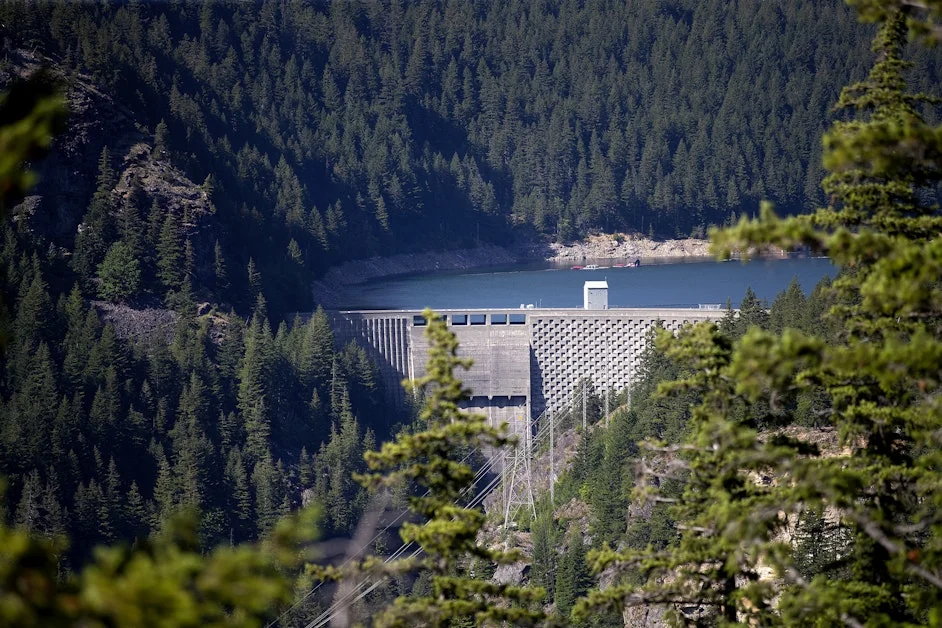
- The Army Corps of Engineers used emergency operations on two hydropower dams to lower flood waters on the Skagit River.
- Ross Dam and Upper Baker Dam were operated by Seattle City Light and Puget Sound Energy, respectively.
- These actions reduced peak river levels by 4 to 5 feet, preventing more severe flooding in downstream areas.
- The Skagit basin has a significant portion of its waters undammed, with six major rivers contributing to the ecosystem.
The Emergency Operations on Skagit Dams and Their Impact on Flood Control
On December 15, 2025, the Army Corps of Engineers took control of two hydropower dams upstream in an effort to mitigate flooding on the Skagit River. This intervention came at a critical time as the river’s water levels were rising, threatening nearby communities and infrastructure.
The Role of Hydropower Dams
Hydropower dams like Ross Dam (540 feet tall) and Upper Baker Dam (300 feet high) are crucial for managing water resources in the Skagit River basin. While they provide essential services such as climate-friendly electricity, they also present significant challenges, including environmental impacts on salmon populations and flooding risks downstream.
Emergency Operations and Flood Control
During the emergency operations, engineers at the Army Corps of Engineers turned off the water release from Ross Dam. This action managed to hold back 99% of the incoming flow into the reservoir known as Ross Lake. While this was a significant measure, it wasn’t enough on its own to prevent record-breaking downstream flooding.
According to preliminary estimates by the Army Corps, their actions managed to reduce the peak river height by 4 to 5 feet. This small but critical reduction in water levels significantly mitigated potential damage and saved many communities from severe flooding.
The Context of Skagit Basin’s Hydropower System
It is worth noting that while dams play a vital role, the Skagit basin also boasts a substantial portion of its waters undammed. Six major rivers, including the Cascade, Sauk, Suiattle, and White Chuck, contribute to the ecosystem without passing through any hydropower facilities. This natural water flow ensures that parts of the basin remain wild and unaltered by human intervention.
Seattle City Light spokesperson Jenn Strang highlighted that during the Army Corps’ takeover, Ross Dam did not generate any hydropower. Two other dams on the Skagit River continued to produce power as normal, ensuring a balance between flood control and energy production.
Future Implications
The recent emergency operations on the Skagit Dams serve as a reminder of the complex interplay between human infrastructure and natural water systems. While hydropower dams offer significant benefits, they also require careful management to mitigate potential risks such as flooding.
In light of climate change, which is expected to increase the frequency and intensity of extreme weather events, the need for adaptive and resilient flood control strategies will only grow more pressing. The Skagit River’s emergency operations highlight the importance of collaborative efforts between government agencies, local communities, and energy providers in addressing these challenges.
By working together, stakeholders can better prepare for future emergencies while also maintaining the essential services provided by hydropower dams. This balance is crucial not only for flood control but also for sustaining the region’s environmental health and economic vitality.