Key Highlights
- Federal prosecutors admitted that the grand jury handling the criminal case against former FBI Director James Comey never reviewed or voted on the final indictment used to charge him.
- The admission, reported by CNN, answers a months-long mystery surrounding the filing of the indictment.
- Two different versions appeared on the public docket within minutes — one with three counts and another with only two.
- The Justice Department filed an indictment that the grand jury never approved, raising concerns about the integrity of the grand jury proceeding.
Federal Prosecutors’ Unprecedented Admission
On Wednesday, a startling revelation shook the criminal justice system as federal prosecutors admitted that the grand jury handling the case against former FBI Director James Comey never reviewed or voted on the final indictment used to charge him. This admission, first reported by CNN, marked an unprecedented event and immediately raised serious questions about the integrity of the legal process.
Unprecedented Scenario
The case has been clouded in mystery since the filing of the indictment last September 25, 2025. Two different versions appeared on the public docket within minutes — one with three counts and another with only two. Legal analysts immediately noted that something was amiss.
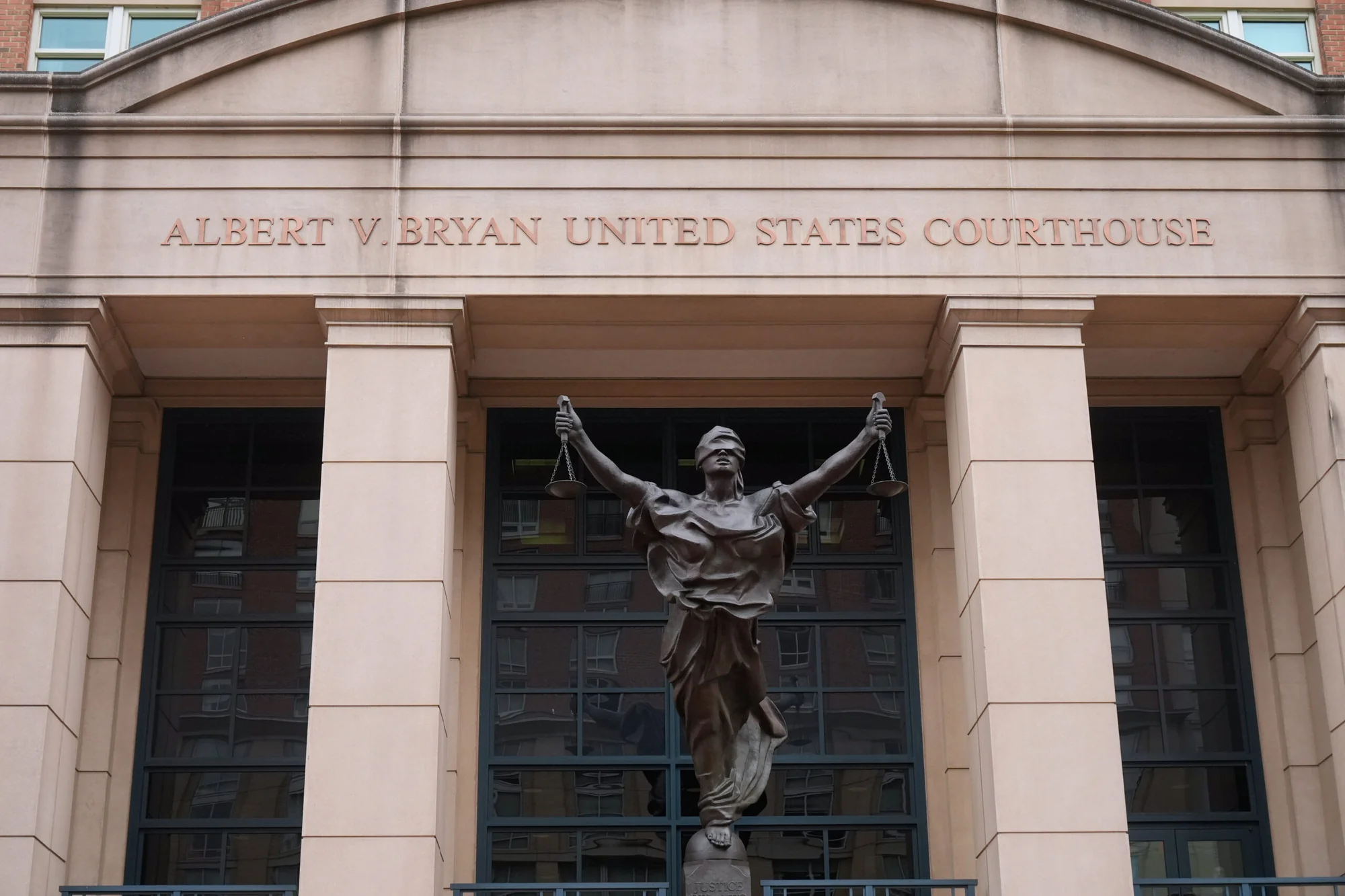
During a Wednesday hearing at the Albert V. Bryan United States Courthouse in Alexandria, Virginia, interim U.S. Attorney Lindsey Halligan and DOJ prosecutor Tyler Lemons admitted that only two grand jurors ever reviewed the rewritten indictment — meaning the full grand jury never saw it at all.
“The new indictment wasn’t a new indictment,” Lemons stated during the hearing. “There is no indictment.” Comey’s attorney responded, emphasizing the severity of the situation: “There is no indictment.”
Legal Implications
The admission strikes at the most basic safeguard in the criminal justice system — the requirement that ordinary citizens, not political leaders, decide when someone can be charged with a crime. By evading this principle, the Trump-led DOJ appears to have rewritten the indictment in secret after the grand jury rejected one of the original charges, then filed the altered document without ever sending it back to the jurors.
U.S. District Judge Michael Nachmanoff, who is overseeing Comey’s prosecution, ordered the DOJ to file a formal response about the indictment revelations by the end of the day Wednesday.
In a separate ruling on Monday, U.S. Magistrate Judge William Fitzpatrick had already warned that evidence in the record suggested the indictment returned in open court might not be the same charging document presented to and deliberated upon by the grand jury.
“The new indictment wasn’t a new indictment,” Lemons insisted during the hearing, trying to push back on concerns about political pressure. “Ms. Halligan was not a puppet.” However, Judge Fitzpatrick’s ruling detailed other concerning departures from normal DOJ practice, including the use of a compromised witness and whether it disregarded constitutional limits in a rushed search for evidence.
Challenges Ahead
Given the extraordinary nature of these revelations, the defense has ample grounds to challenge the validity of the indictment. U.S. Magistrate Judge William Fitzpatrick explicitly identified that concern in his order, noting the unusual timing gap between the grand jury vote and the courtroom return.
The short time span between the moment the prosecutor learned that the grand jury rejected one count in the original indictment and the time the prosecutor appeared in court to return the second indictment could not have been sufficient to draft the second indictment, sign it, present it to the grand jury, provide legal instructions, and give them an opportunity to deliberate and render a decision on the new indictment.
“The Court is finding that the government’s actions in this case – whether purposeful, reckless, or negligent – raise genuine issues of misconduct,” Judge Fitzpatrick concluded. “The Court has before it a rare example of a criminal defendant who can actually make a particularized and factually based showing that grounds exist to support the proposition that irregularities may have occurred in the grand jury proceedings and may justify the dismissal of one or more counts of the indictment.”
If the indictment is dismissed, which appears increasingly likely given these revelations, the Justice Department cannot simply fix the defects and try again. The statute of limitations expired in September 2025, meaning dismissal would end the prosecution entirely.