Key Highlights
- President Donald Trump pardoned a cryptocurrency billionaire, Changpeng Zhao.
- The pardon has raised concerns over the misuse of presidential powers and potential conflicts of interest.
- Zhao’s company Binance provided software to support a Trump family crypto venture, World Liberty Financial.
- Emirati investors put $2 billion in World Liberty Financial shortly after the deal with Binance.
The Pardon and Its Controversy
President Donald Trump granted a pardon to Changpeng Zhao, founder of the world’s largest cryptocurrency exchange, Binance. This move has sparked concerns among political analysts and legal experts regarding the misuse of presidential pardons and potential conflicts of interest.
Zhao faced criminal charges related to money laundering in 2023 but served only a four-month sentence before his company paid a $4 billion fine. Despite these actions, Trump’s decision to pardon Zhao has drawn criticism from former Justice Department official Elizabeth Oyer, who described it as “unprecedented” due to the influence of money and self-dealing involved.
Connecting Binance and World Liberty Financial
In 2024, during the presidential campaign, Donald Trump expressed strong support for the crypto industry. His family and partners launched a crypto firm called World Liberty Financial, which was intended to offer financial services in digital currencies. However, according to sources, the company faced significant challenges.
Enter Changpeng Zhao, who provided crucial software support to World Liberty Financial after his release from prison in 2024. A source close to the events stated that without Zhao’s contribution, “the technology doesn’t exist.” This support came at a critical time as World Liberty Financial was struggling to gain traction.
The Emirati Deal and Its Implications
In May 2025, an Emirati fund invested $2 billion in Binance. Interestingly, the deal was conducted entirely through World Liberty Financial’s cryptocurrency. This investment vaulted World Liberty Financial from a small project to one of the largest stablecoins in the world within just a single transaction.
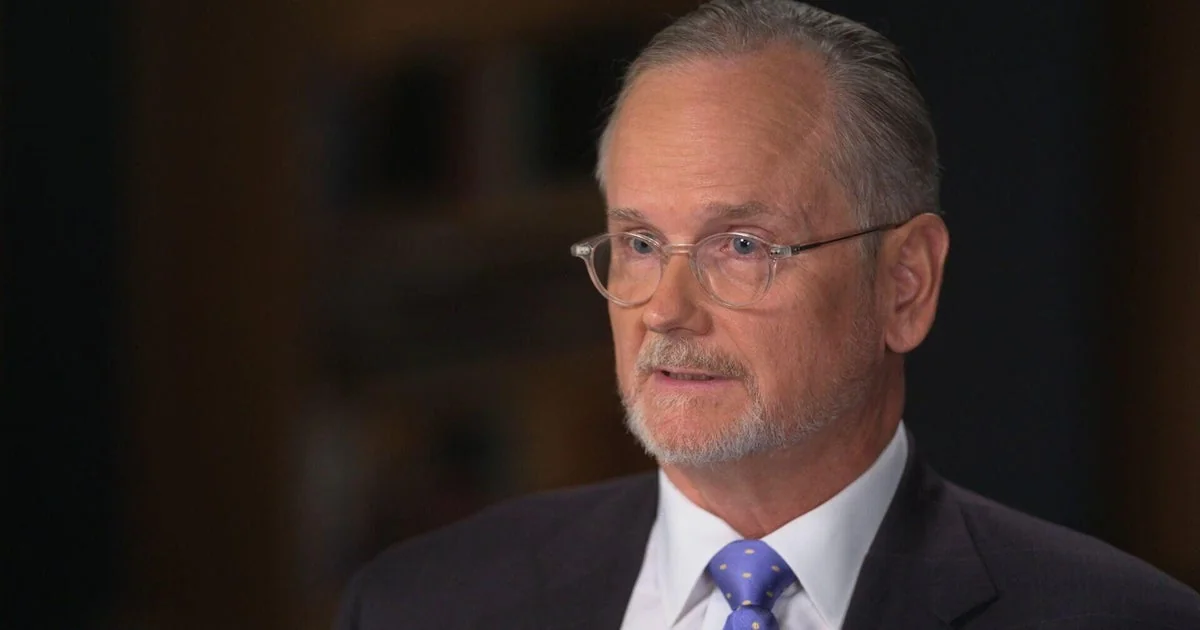
Lawrence Lessig, a Harvard law professor and ethics expert, suggested that the Emirati deal may have been motivated by a desire to ingratiate with President Trump.
The $2 billion could potentially earn the Trump family approximately $80 million annually through interest alone. This amount represents most of World Liberty Financial’s deposits.
Lessig pointed out that such deals raise questions about the future of U.S. foreign policy, suggesting that “there’s also the $2 billion that I’ve channeled into your private bank-like entity.” He emphasized the corrupting influence this could have on public policy decisions.
Expert Opinions and Future Implications
Michael Gerhardt, a constitutional scholar at UNC Chapel Hill, highlighted the conflict of interest and misuse of presidential powers. “All those things benefit Trump and his family,” he stated, “but there’s also the additional problem that the president is using federal tax dollars to help promote his business.” This scenario has raised significant concerns about the integrity of the presidency.
Elizabeth Oyer further emphasized her view that the Trump administration was using pardons as rewards for friends, allies, and donors. She noted that the administration’s actions appear to be “selling off pieces of our democracy,” citing the pardon of Trump’s son and other controversial pardons like those involving Mel Gibson.
These developments highlight a broader issue in politics: the potential misuse of presidential powers and the corrupting influence of money in government. As these cases continue to unfold, they may have significant implications for future legal and ethical standards in U.S. governance.