Key Highlights
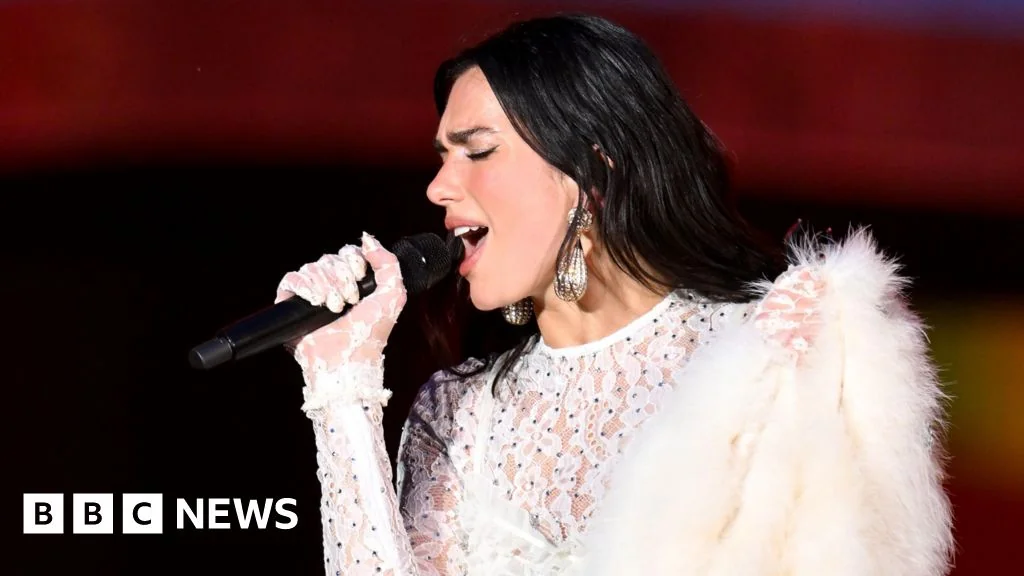
- Musicians including Dua Lipa and Coldplay have called for action against ticket touts.
- A letter signed by over 40 musicians urges the UK prime minister to introduce legislation on a price cap.
- The government launched a public consultation on the issue but has yet to implement any measures seven months later.
- Research shows that tickets can be resold at vastly inflated prices, with some reaching up to £4,442 for an Oasis concert.
Musicians Unite Against Ticket Touts: A Call for Government Action
A group of prominent musicians, led by Dua Lipa and Coldplay, have joined forces in a concerted effort to address the issue of ticket touts. The artists, which include Coldplay, Sam Fender, Radiohead, and The Cure, have penned an open letter to Sir Keir Starmer, urging him to fulfill his election promise of protecting fans from online ticket touts.
A Growing Concern
The letter highlights the widespread frustration among artists and their fanbase. Dan Smith from indie-pop group Bastille commented on the issue, stating that “it seems crazy that fans aren’t protected from price hikes, when countries like Ireland and Australia have introduced caps on ticket resales.” According to analysis by the Competition and Market Authority (CMA), tickets sold on the resale market are typically marked up by more than 50%. The research also found that some tickets to see Oasis at Wembley Stadium this summer were listed for as much as £4,442.
Government’s Response
The government launched a public consultation in January on the issue of ticket touts. Following complaints from fans, the consultation sought input and feedback on how to effectively tackle touts who “are systematically buying up tickets on the primary market and reselling them to fans at often hugely inflated prices.” Despite these efforts, seven months after the consultation closed, there has been no indication of when legislation might be introduced.
A spokesperson from the Department for Culture stated: “This government is fully committed to clamping down on touts and is going further to put fans back at the heart of live events. ‘We have carefully considered evidence provided in response to our consultation earlier this year and will set out our plans shortly.” The consultation also proposed limiting the number of tickets that resellers can offer.
Consumer Advocacy and International Comparisons
The letter comes as Which? magazine found prolific sellers in Brazil, Dubai, Singapore, Spain, and the US hoovering up tickets for events before relisting them at inflated prices on sites like StubHub and Viagogo. The findings echoed a BBC investigation this summer that uncovered teams of overseas workers bulk-buying tickets for concerts in the UK to resell for profit.
Which? consumer law expert Lisa Webb stated: “The joint statement issued on Thursday ‘makes clear that artists, fan organisations and consumers reject the broken ticketing market that has allowed touts to thrive for too long.’ Resale sites like Viagogo and StubHub claim a price cap could push customers towards unregulated sites and social media – putting them at increased risk of fraud. In football’s Premier League, where resales are forbidden because the sport must abide by stricter laws than music events in order to maintain segregation in stadiums, the BBC recently uncovered a black market for match tickets, with some exchanging hands for tens of thousands of pounds.”
While it does not support the introduction of price caps, Stubhub added that they enforce “strict measures to protect consumers” including a “100% money back guarantee.” Viagogo also stressed that “most” of its sellers are fans who can no longer use their tickets; claiming that price caps would “just strengthen Ticketmaster’s monopoly” of the market.
Industry Context and Future Implications
The issue of ticket touts is not new, but it continues to plague the entertainment industry. Concerts and events often see inflated prices due to resellers hoarding tickets and selling them at a premium. This has led to a call for stricter regulations and protection measures for consumers.
Industry experts believe that implementing price caps could be one solution, but they also acknowledge potential drawbacks such as the risk of driving customers towards unregulated platforms. The government’s commitment to addressing this issue is crucial in ensuring fair access to live events and entertainment for all fans.