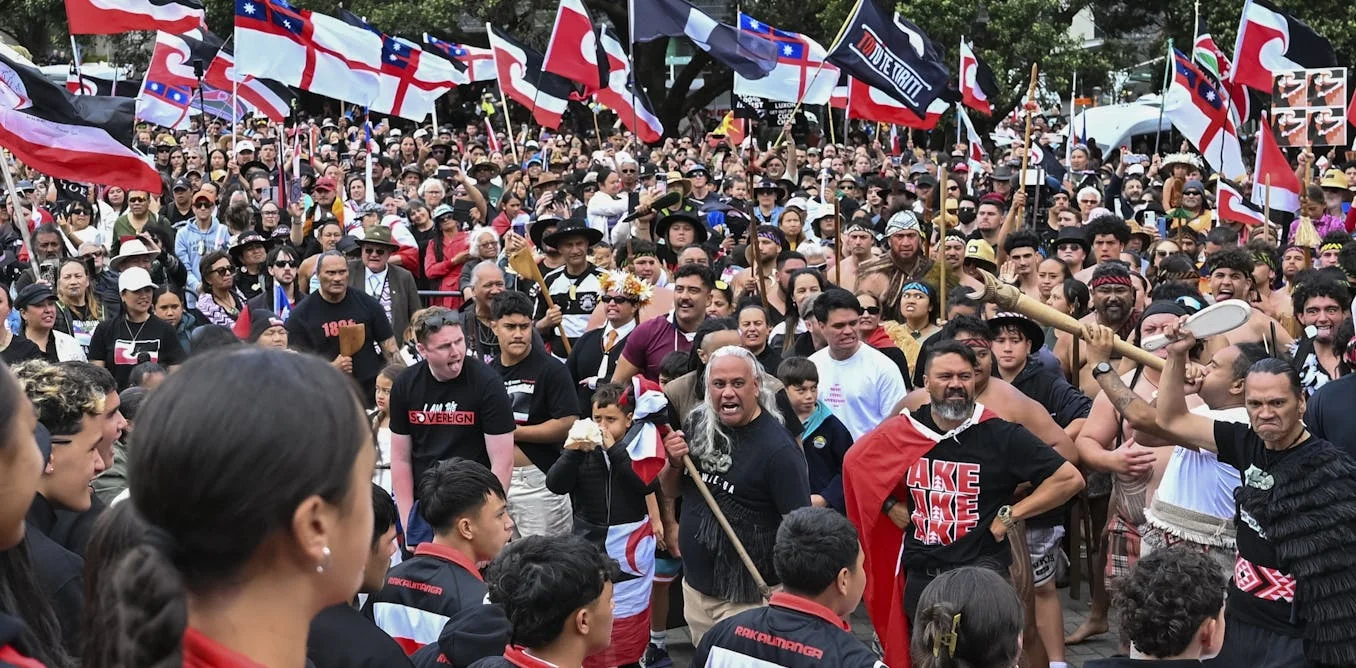
Key Highlights
- 24 out of 42 municipalities in New Zealand voted to abolish their Māori wards by 2028.
- The national government mandated these referendums, despite local community sentiments.
- A nationwide poll showed that more New Zealanders (54% to 46%) wished to retain Māori wards.
- The recent right-coalition government reversed progress in 2024 by requiring local authorities to conduct votes on the issue.
A Critical Lesson for Canada
New Zealand’s recent local elections highlight significant challenges in ensuring indigenous representation, particularly through the abolition of Māori wards. This development serves as a crucial warning for Canadian municipal governments, which continue to grapple with the complexities surrounding treaty rights and Indigenous self-determination.
Challenges in Local Representation
The decision by 24 out of 42 municipalities to abolish their Māori wards represents a setback for efforts to enhance Indigenous participation in local governance. These designated seats were intended to ensure Māori representation, reflecting the country’s commitment to Te Tiriti o Waitangi, its founding document that recognizes the rights of Māori.
Despite this progress, the national government mandated referendums on these wards, irrespective of local community sentiments. This move has raised concerns about the legitimacy and effectiveness of such democratic processes in addressing Indigenous representation issues.
National vs. Local Opinions
A nationwide poll revealed that more New Zealanders (54% to 46%) wished to retain Māori wards, showcasing a paradox between local and national opinions. Inhabitants of urban areas participated significantly in these elections, while rural constituencies largely voted against the retention of such wards.
The issue gained momentum in the mid-2000s alongside calls for legislative changes to honor Te Tiriti o Waitangi. In 2010, the New Zealand Human Rights Commission identified indigenous representation in local government as a top priority for race relations, warning that without proactive measures, Māori representation would remain disproportionately low.
Historical Context and Legislative Reforms
The adoption of Māori wards in local councils was rare until legislative reforms in 2002 began to change the landscape. In a pivotal move in 2021, the Labour government amended the Local Electoral Act, eliminating the requirement for referendums on Māori wards—an imposition not placed on other local government wards.
Nanaia Mahuta, the local government minister at the time, characterized the plebiscite requirement as “fundamentally unfair to Māori.” This change led to a marked increase in Māori wards, aligning representation more closely with the Māori population, which stands at roughly 17 percent.
However, the recent right-coalition government reversed this progress in 2024, framing Māori wards as a form of undemocratic race-based representation and requiring local authorities to conduct votes on the issue. This move has raised concerns about the true intentions behind such referendums and their impact on Indigenous representation.
Engagement and Grassroots Efforts
The polarizing campaign around Māori wards was led by parties like ACT, which promoted themes such as “one law for all,” in collaboration with groups like Hobson’s Pledge. This campaign sought to cast doubt on the necessity of Māori representation, utilizing controversial messaging and imagery.
In contrast, parties such as Labour and the Greens, alongside several grassroots organizations, advocated for the preservation of Māori wards, arguing that they align with treaty commitments and democratic principles. Most local leaders emphasized the practical benefits of having Māori voices in decision-making roles.
Conclusion
Lessons for Canada
The situation underscores a critical lesson for Canadian municipal governments: the importance of creating electoral systems that genuinely include Indigenous perspectives in local governance. As New Zealand grapples with its treaty obligations, finding common ground between urban progressivism and rural conservatism remains a significant challenge.
This outcome highlights the necessity for political leaders to eschew divisive rhetoric and foster genuine dialogue and compassion in achieving lasting and equitable change. The overarching lesson is that systemic reforms are crucial but must be complemented by broad public understanding and trust, particularly when dealing with colonial histories and treaty rights.