Key Highlights
- Joe Maddon shares insights on his former teammate and friend, Andrew Friedman, focusing on two key leadership traits.
- Friedman’s ability to balance data-driven decisions with a human touch is highlighted through Maddon’s anecdotes.
- The article emphasizes the importance of listening skills in leadership roles within sports organizations.
- Maddon discusses how Friedman challenged his ideas and promoted analytics, contributing significantly to their success.
Leadership Lessons from Baseball: The Andrew Friedman Story
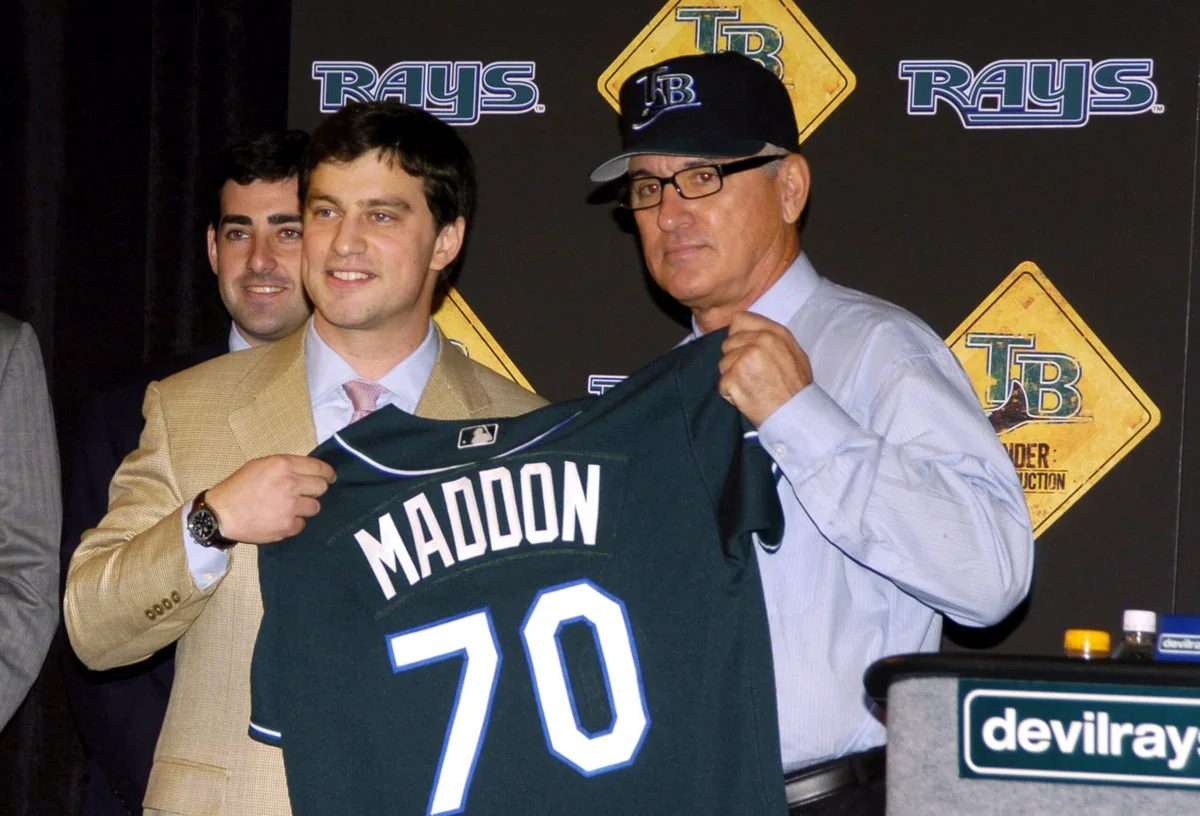
In a world where statistics and data analytics have become integral to professional baseball, the story of Andrew Friedman, the president of baseball operations for the Los Angeles Dodgers, stands out. Former MLB manager Joe Maddon, who worked closely with Friedman for nine seasons during his tenure with the Tampa Bay Rays, provides unique insights into what made Friedman such an effective leader.
The Art of Connection
Friedman’s leadership approach is best illustrated by a story Maddon shares. During their first meeting at the 2005 World Series in Boston, Friedman took Maddon to an intimate sushi joint where they bonded over conversations that extended beyond baseball. This experience highlights how Friedman created a personal connection despite his reserved demeanor.
Intentional Challenge and Listening
Friedman’s leadership also revolved around intentional challenges and active listening. Maddon explains, “He intentionally challenged people’s ideas to create a conversation, which was one of the two leadership traits I appreciated about him during our nine years together.” This approach not only fostered a culture of open dialogue but also ensured that everyone felt their input was valued.
During an interview with Tampa Bay, Maddon brought up his “9 = 8” concept to motivate the team. Friedman’s response was unequivocal: “I love it.” According to Maddon, this support was crucial in building momentum for the idea and its eventual success.
Maddon continues, “Trust me, he listens to everything you say. Not that he’s going to agree – a lot of times he would disagree – but that’s not what mattered. When you speak with somebody in a leadership position and you believe that they’re giving you their unfiltered and undivided attention, that’s what matters.”
Embracing Analytics and Human Touch
Friedman’s ability to straddle the line between data-driven decisions and human empathy is highlighted through Maddon’s recollections. For instance, Friedman challenged Maddon on his card system for managing player information, suggesting that they could automate some of this process. This approach allowed both to focus more effectively on their roles within the organization.
Moreover, when Maddon introduced the “9 = 8” concept, Friedman’s enthusiasm was instrumental in gaining buy-in from the team.
Maddon explains, “Imagine the confidence I had to follow up on that. Andrew loved it. That created all the momentum for me.” This example underscores how Friedman’s support and encouragement were essential in driving innovation within the organization.
Challenges and Successes
While Maddon and Friedman sometimes differed in their approaches, their relationship was marked by mutual respect and a shared commitment to success. Maddon recalls an incident where he mentioned exit velocity as a key statistic for evaluating players like Logan Forsythe. Friedman’s reaction was swift: “You’re right.
I’ll be more careful.” This moment exemplifies the importance of respecting proprietary information while still fostering open communication.
In conclusion, Andrew Friedman’s leadership style at Tampa Bay and his current role with the Dodgers demonstrate a unique blend of data-driven decision-making and human connection. As Maddon reflects, “Andrew taught me a lot about how analytics works and how I could use it to make better decisions in the game.” These lessons are not only valuable for baseball but also offer insights into effective leadership across various industries.