Key Highlights
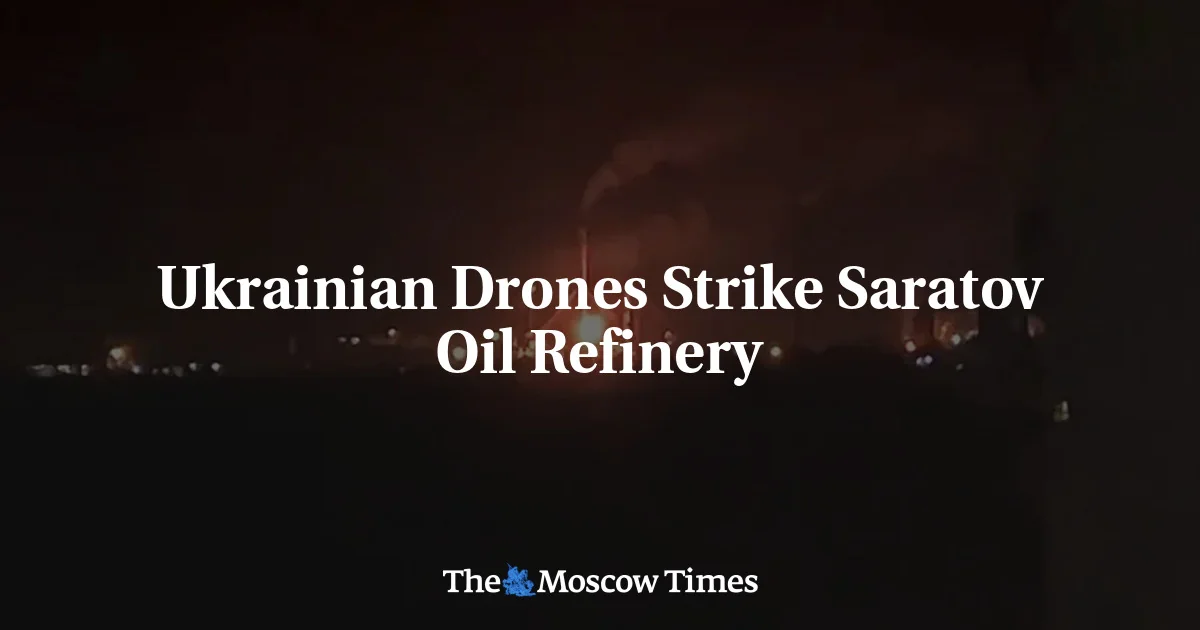
- Ukrainian drones strike the Saratov oil refinery in southern Russia.
- Rosneft operates the targeted refinery, with a production capacity of 4.8 million metric tons per year.
- The attack was part of a series targeting Russian energy infrastructure since autumn.
- Russian Defense Ministry reports downing 64 drones overnight, including 29 over Saratov region.
Ukraine’s Targeted Strikes on Russian Oil Infrastructure
The Ukrainian military has successfully launched a drone strike against the Saratov oil refinery in southern Russia, marking the latest in a series of attacks aimed at disrupting Russian energy infrastructure. This incident highlights the ongoing conflict between Ukraine and its neighbor, with both sides employing advanced technologies to cripple each other’s vital economic assets.
The Attack on Saratov Oil Refinery
According to statements from Ukraine’s General Staff, Ukrainian drones targeted and successfully struck the Saratov oil refinery located in the southern Russian region. This refinery, operated by Rosneft, is one of Russia’s oldest and plays a significant role in the country’s energy sector. With a production capacity of 4.8 million metric tons per year, this facility serves as a key node in Russia’s refining network.
Part of an Ongoing Campaign
This attack on the Saratov oil refinery is part of a broader campaign by Ukraine to target Russian energy infrastructure. Since autumn, Ukrainian forces have conducted multiple strikes against various refineries and other facilities, aiming to disrupt Russia’s ability to produce and export petroleum products.
Russian Defense Ministry Response
In response to the drone strikes, the Russian Defense Ministry reported downing 64 drones overnight. Specifically, 29 of these were intercepted over the Saratov region, 29 in Rostov region, 4 in Volgograd region, 1 in Belgorod region, and another 1 in Stavropol region. These actions underscore Russia’s ongoing efforts to counter Ukrainian military operations using advanced air defense systems.
Impact on Local Infrastructure
The attack on the Saratov oil refinery led to temporary closures of local infrastructure. The airport in Saratov was briefly closed but reopened early Monday morning, minimizing disruption to civilian flights. No casualties have been reported from this particular incident, though concerns remain about potential long-term impacts on regional energy supply chains.
Strategic Significance and Broader Implications
The targeting of oil refineries by Ukraine is part of a larger strategic campaign aimed at weakening Russia’s economic resilience. By disrupting key sectors like energy production, Ukrainian forces hope to apply pressure beyond just the battlefield. This approach reflects the broader use of asymmetric warfare tactics in modern conflicts.
Expert Analysis
Analysts suggest that these strikes not only impact Russia’s immediate military operations but also have wider implications for global energy markets. As Russia relies heavily on oil exports, any significant disruption can have ripple effects across international trade and energy prices. Moreover, such attacks highlight the evolving nature of modern warfare, where non-state actors and small-scale technology like drones play crucial roles.
The ongoing conflict between Ukraine and Russia continues to evolve with each strategic move by both sides.
As technology advances, so too does the battlefield, creating new challenges for policymakers and military planners alike. The recent drone strikes on Russian oil refineries serve as a stark reminder of this evolving reality in contemporary warfare.