Key Highlights
- Vladimir Kramnik, a Russian chess grandmaster, is accused of cheating in the 2006 “Toiletgate” scandal.
- Kramnik’s accusations against Daniel Naroditsky, who was found dead last week, have resurfaced due to renewed interest in Toiletgate.
- The FIDE Ethics Commission previously sanctioned Topalov and his manager for making unsubstantiated accusations of cheating during the 2006 match.
- Chess.com has banned Kramnik from participating in prize tournaments after he accused multiple players of cheating.
Toiletgate Resurfaces: Cheating Allegations and Tragic Death
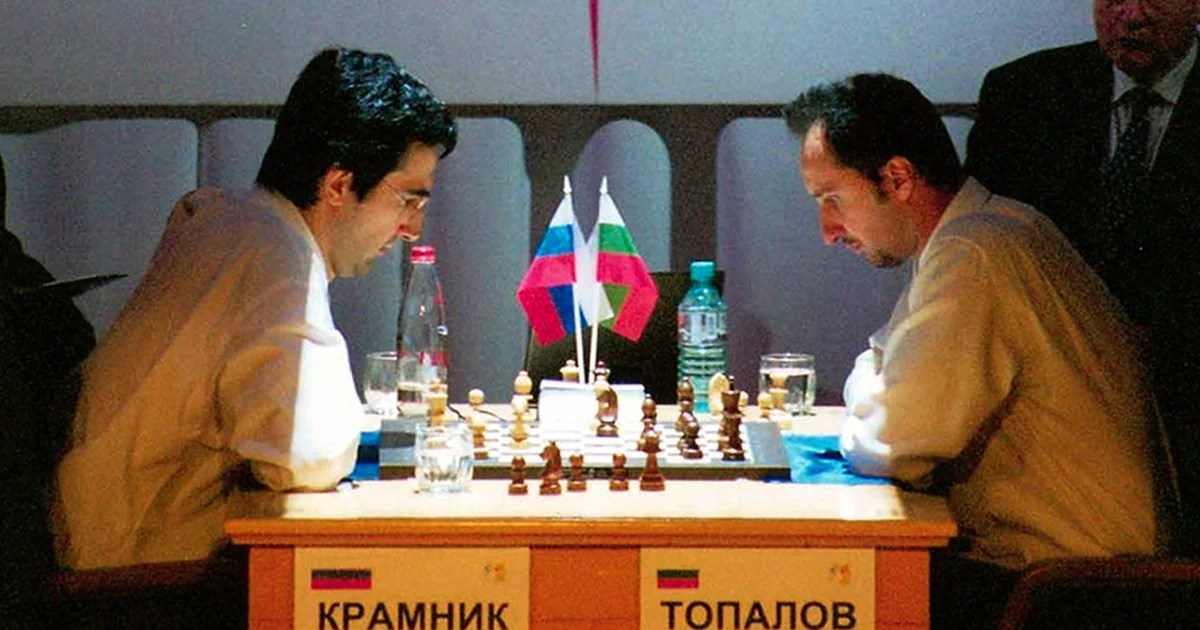
The tragic death of chess grandmaster Daniel Naroditsky at the age of 29 has reignited a decades-old controversy in the world of competitive chess, known as the “Toiletgate” scandal. The incident, which occurred during a match between Vladimir Kramnik and Veselin Topalov in 2006, saw Kramnik accused of using bathroom breaks to look up chess moves.
The Controversial Past
During the 2006 title match in Elista, Russia, Kramnik was accused by his opponent’s manager, Veselin Topalov, of taking up to 50 trips to the bathroom per game to look up chess moves on a computer. Carsten Hansel, Kramnik’s manager at the time, refuted these claims and suggested that Kramnik had to drink a lot of water during games and liked to pace in the bathroom.
Consequences and Sanctions
Kramnik eventually won the match and became the undisputed world champion of chess. However, his victory came with conditions; he had to use the same bathroom as Topalov throughout the competition. This concession led Kramnik to sit in near the restroom, which caused him to forfeit one game. Later, both Topalov and his manager were sanctioned by the FIDE Ethics Commission for making unsubstantiated accusations of cheating.
Current Allegations and Impact
Kramnik has repeatedly accused Naroditsky of cheating in online chess games since October 2024. These allegations have taken a toll on Naroditsky, who once idolized Kramnik. In his last livestream before his death, Naroditsky expressed that the accusations had severely impacted his mental health and confidence.
The Charlotte Chess Center, where Naroditsky trained and worked as a coach, announced his death on social media. FIDE has stated it will investigate whether Kramnik should be disciplined for making disparaging public statements before and after Naroditsky’s tragic death.
Chess Community Response
Erik Allebest, CEO of Chess.com, acknowledged that there is cheating in competitive chess but emphasized the rarity of such incidents. He explained that while statistical anomalies can occur, they do not always indicate cheating. For players competing for prize money, Chess.com uses a monitoring program called Proctor to detect potential cheaters.
Despite these measures, incidents like Toiletgate continue to cast a shadow over the chess community. Kramnik has denied bullying Naroditsky and stated that his lawyers are preparing a major case against every media resource publishing false information about him.
Conclusion
The resurgence of “Toiletgate” highlights the ongoing tensions within competitive chess, where accusations of cheating can have profound consequences for players’ careers and mental well-being. As the community grapples with these allegations and their implications, it remains to be seen how such incidents will shape future competitions and public perceptions of chess as a sport.