Key Highlights
- The author initially scoffed at the idea of an episodic release schedule for a game in 2025.
- The game Dispatch is being released in two-episode drops every week for four weeks, akin to a TV show.
- The author now sees value in waiting between episodes to discuss and reflect on the story.
- Episodic games were more novel in the 2010s when they first appeared, but streamers have since changed the landscape.
Dispatch: A Superheroic Adventure with an Episodic Twist
The game Dispatch, developed by AdHoc and Critical Role, is a superhero comedy that has garnered attention for its episodic release schedule. In the year 2025, when the author first heard about the game being released in episodes, they were skeptical. However, as they played through the initial episodes, their perspective began to shift.
The Early Skepticism
AdHoc and Critical Role’s superhero comedy Dispatch was originally intended to be a live-action TV show before it transformed into a video game. The author’s initial reaction to the episodic format was one of frustration, much like many players felt during the 2018 release of The Walking Dead: The Final Season. In that case, they had to wait for over seven months between episodes, which was particularly frustrating as it took them nine months in total to complete all four episodes.
Initial Impressions and Gameplay
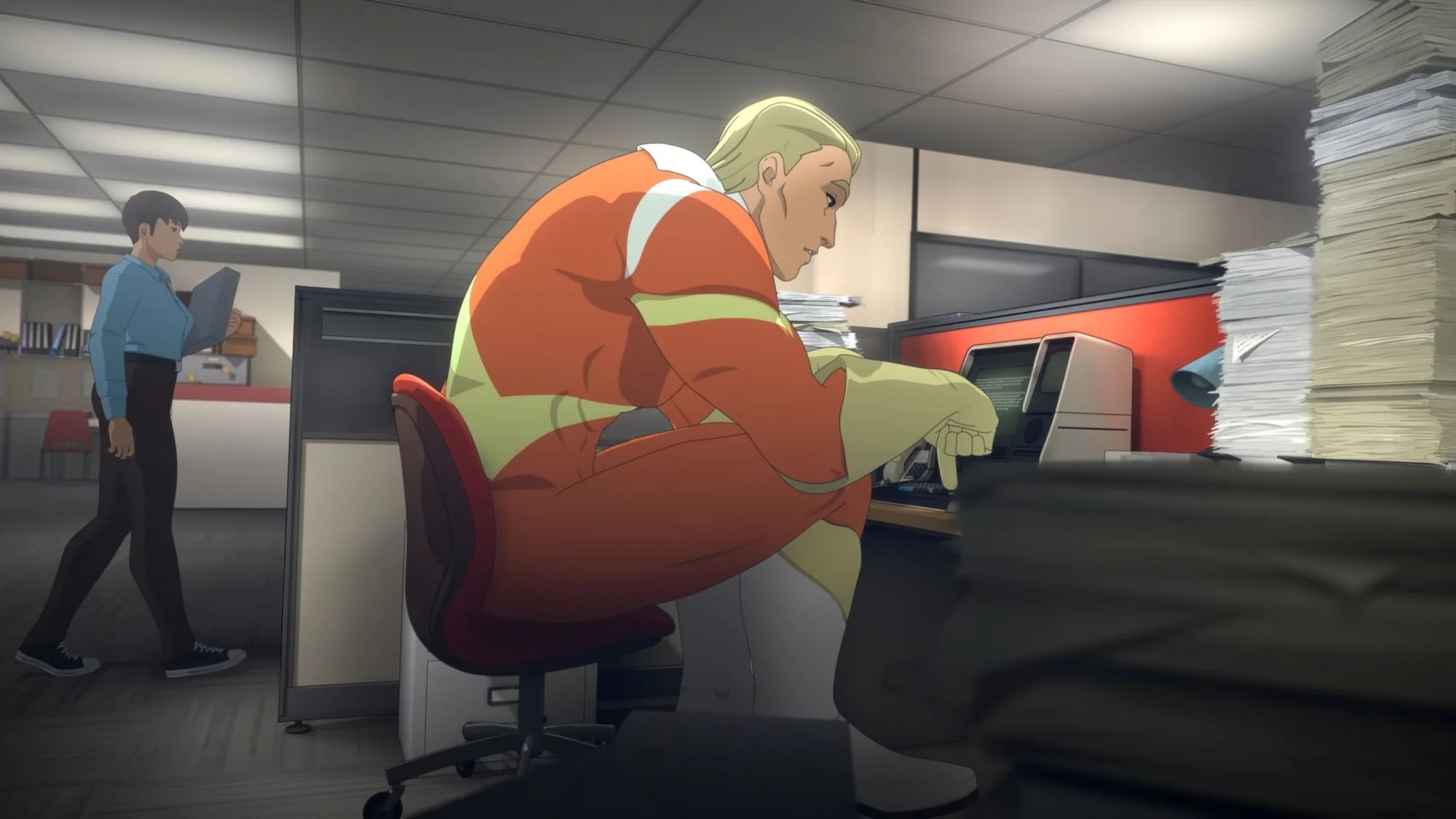
The first episode, titled “Pivot,” introduced the player to the character of Mecha Man, played by Robert Robertson. This 50-minute episode focused on setting up the narrative rather than delving into substantial gameplay content. The author found this structure somewhat unsatisfying but appreciated that AdHoc Studio was releasing two episodes at a time.
Improvement with Subsequent Episodes
The second episode, “Onboard,” offered more substance and engagement for the player. It allowed the author to experience a full shift as a superhero dispatcher, providing a more immersive and rewarding gameplay experience. The author found themselves less compelled to rush through the third episode, even though they had been given access to it early.
Embracing the Episodic Format
As the author’s perspective shifted, they began to see value in the episodic release schedule. They now look forward to discussing and reflecting on each episode with others, creating a sense of anticipation that enhances their enjoyment. This new appreciation for the format is attributed to the improved pacing and structure compared to earlier episodic games from companies like Telltale.
The author reflects on how episodic releases were once novel but have become commonplace due to streaming services. However, as gaming trends continue to evolve, the value of waiting between episodes for a cohesive story is becoming more apparent.
Industry Context and Future Implications
Episodic releases in video games are not new; Telltale Games pioneered this format in the 2010s. However, with the rise of streaming services, players can now access entire seasons instantly. This shift has changed public perception and expectations for release schedules.
The success of Dispatch could signal a return to more traditional episodic formats, where each episode is designed as part of an ongoing narrative.
AdHoc Studio’s decision to release two episodes every week aims to maintain player interest while allowing time for the story to develop naturally.
For players like Fraser Brown, who has seen the evolution from live-action TV shows to video games, the episodic format now feels more earned and well-executed. This shift could influence future releases and set a new standard for interactive storytelling in the gaming industry.